
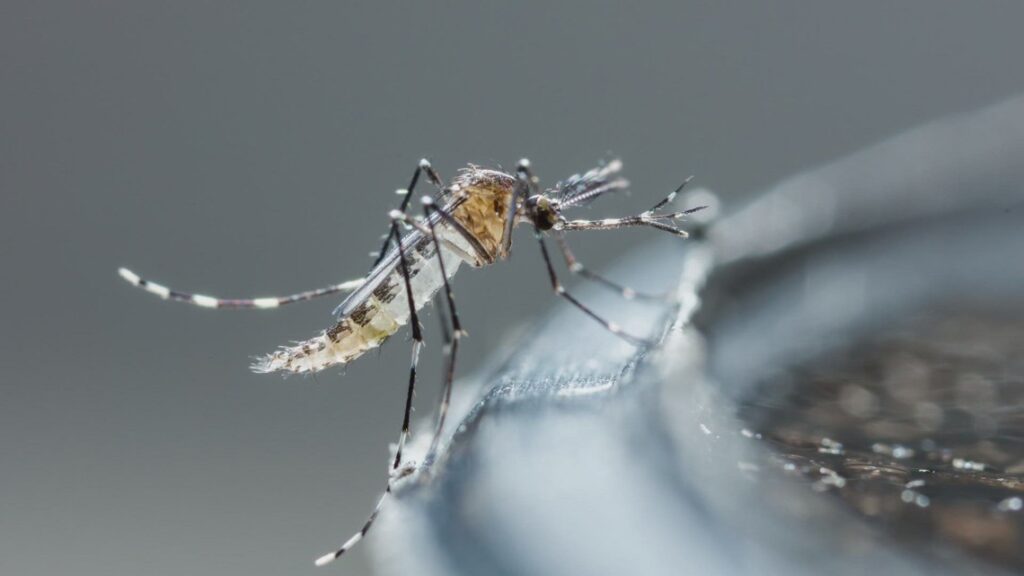
Check your yard for standing water. West Nile virus has been detected in North Texas mosquitoes, marking the start of the 2026 season. Here is how to stay safe.
TARRANT COUNTY, Texas — Tarrant County health officials are sounding the alarm after the first mosquitoes of the year tested positive for West Nile virus.
The positive samples were found in Fort Worth and Grand Prairie during routine trapping and testing, according to Tarrant County Public Health (TCPH). This discovery marks the official start of the 2026 West Nile season in Tarrant County. So far, the TCPH North Texas Regional Laboratory has processed 314 mosquito samples.
“Tarrant County Public Health (TCPH) has confirmed the first mosquito samples to test positive for West Nile Virus (WNV) in Tarrant County this year,” the agency stated in a release.
Officials noted that West Nile activity typically increases between May and October as warmer weather moves in. While no human cases have been reported yet this year, local cities may begin mosquito treatments as necessary.
The Centers for Disease Control and Prevention (CDC) reported 2,076 human cases across 47 states in 2025. Data from the agency shows Texas had 127 cases last year.
What is West Nile virus?
According to the CDC, West Nile virus is the leading cause of mosquito-borne disease in the continental United States. It is most commonly spread to people and horses by the Culex quinquefasciatus mosquito.
Currently, there are no vaccines to prevent or medicines to treat the virus in humans.
Symptoms and risks
Most people who catch the virus do not feel sick. However, Tarrant County health officials and the CDC shared these figures:
- No symptoms: Most infected individuals show no signs of illness.
- Mild symptoms: Some people experience fever, headache, body aches, or joint pain.
- Severe illness: Some people experience serious, sometimes fatal illness affecting the nervous system. Symptoms can include fever, headache, coma, tremors, convulsions, vision loss and paralysis. Recovery can take weeks or months; some effects may be permanent.
The CDC recommends seeking medical attention if you experience high fever, neck stiffness, muscle weakness, confusion, or tremors.
How to protect yourself
TCPH urges residents to take simple steps to prevent bites and eliminate breeding sites:
- Apply EPA-approved insect repellent when outdoors.
- Wear loose-fitting long sleeves and pants, especially at dawn and dusk.
- Remove or treat standing water around your home with larvicides.
- Stay indoors during peak mosquito activity hours at dawn and dusk.