
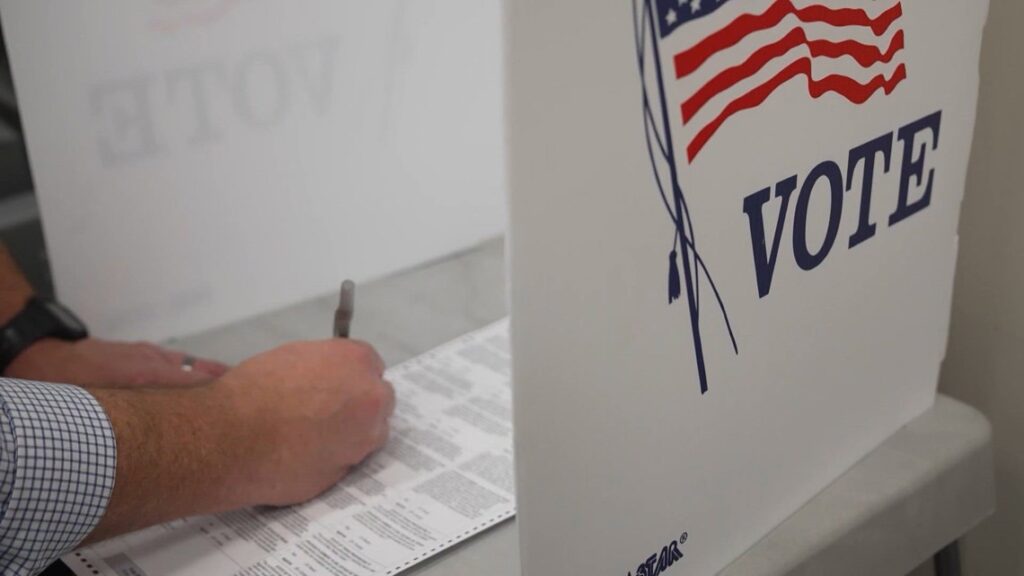
The runoff comes after no candidate earned more than 50% of the vote in March, forcing a head-to-head matchup.
DALLAS — Early voting for Texas’ runoff election begins May 18, with Election Day set for May 26.
The runoff comes after no candidate in several primary races received more than 50% of the vote during the March primary election — triggering a head-to-head matchup between the top two vote-getters.
Here’s what Texans need to know before casting a ballot.
Why is there a runoff election?
Texas requires candidates in primary elections to win a majority of the vote — meaning more than 50%. If no candidate reaches that threshold, the race moves to a runoff between the top two candidates.
Political experts often describe runoff elections as lower-turnout contests that can favor highly motivated voters and campaigns with strong grassroots support.
Candidates who win in the runoff election will go on to be on the November Midterm ballot.
When is early voting?
Early voting runs from May 18 through May 22.
Election Day is Tuesday, May 26.
Texas voters can check polling locations, sample ballots and voter information through the Texas Secretary of State’s website.
Who can vote in the runoff?
Texas has an open primary system, but voters who participated in one party’s primary in March must stay with that same party in the runoff.
A voter who cast a Republican primary ballot can only vote in the Republican runoff. A voter who cast a Democratic primary ballot can only vote in the Democratic runoff.
Texans who did not vote in the March primary can choose either party’s runoff.
Voters do not register by party in Texas.
What races are on the ballot?
The runoff ballot varies depending on where voters live, but several high-profile races are drawing statewide attention.
Among the contests receiving attention:
- Congressional races
- State legislative races
- Judicial races
- Local county and municipal contests
Some races could shape the political direction of both parties heading into the general election season.
What should voters bring?
Texas voters must bring an approved form of photo identification to vote in person.
- Texas driver’s license
- Texas election identification certificate
- Texas personal ID card
- Texas handgun license
- U.S. military ID card
- U.S. citizenship certificate with photo
- U.S. passport
Why do runoff elections matter?
Runoff elections historically see significantly lower turnout than primary or general elections. That means a relatively small number of voters can have a major impact on who advances to the November ballot — or who ultimately holds office in heavily Republican or Democratic districts where the primary winner is often favored to win the general election.