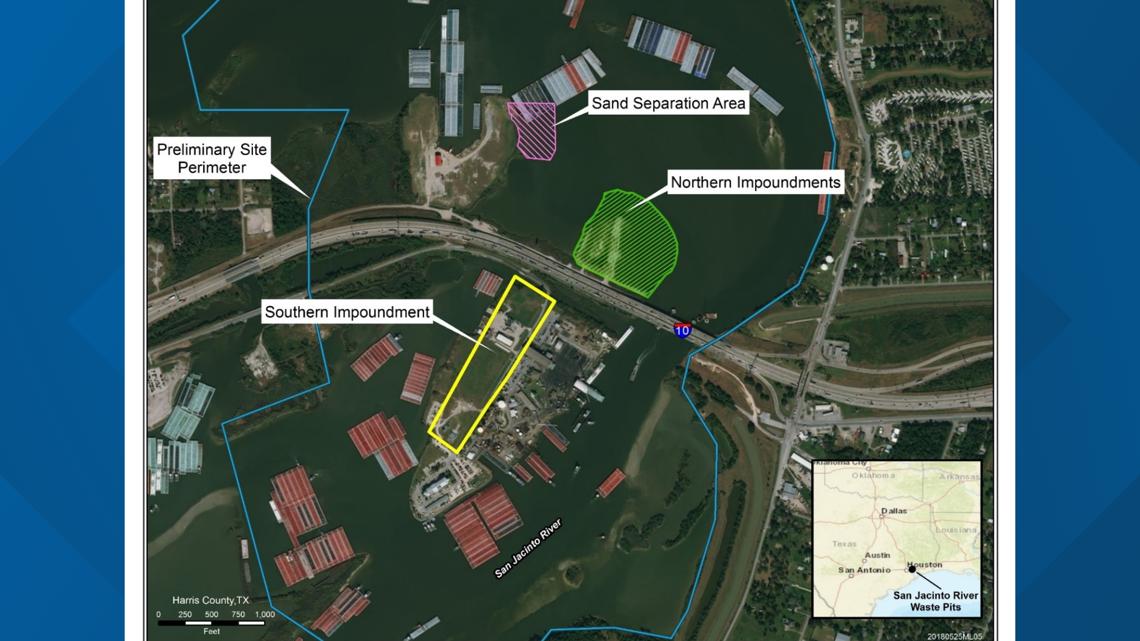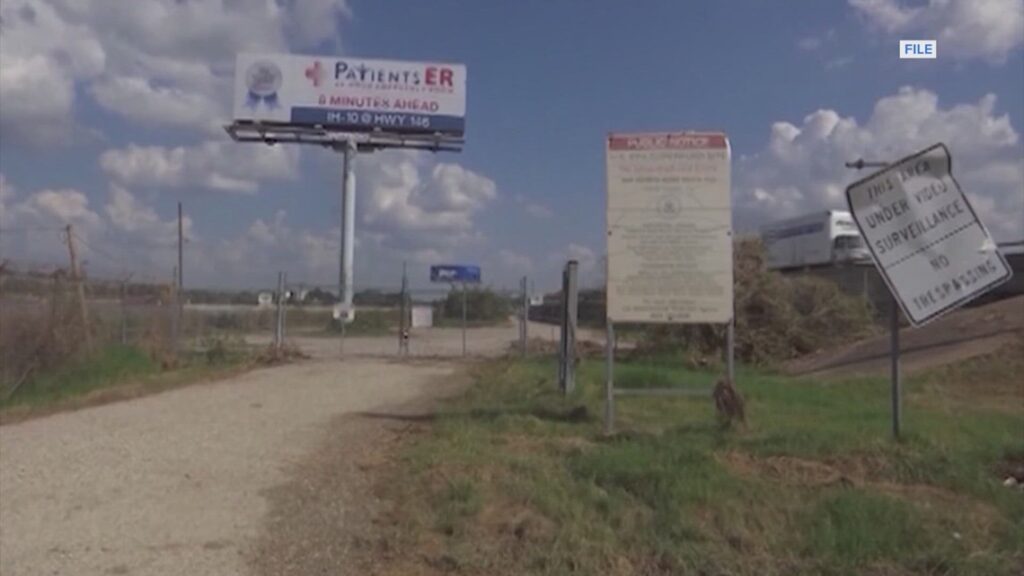
A state study found cancer rates near the San Jacinto River were statistically higher than expected. Now the EPA has stepped in with a formal cleanup order.
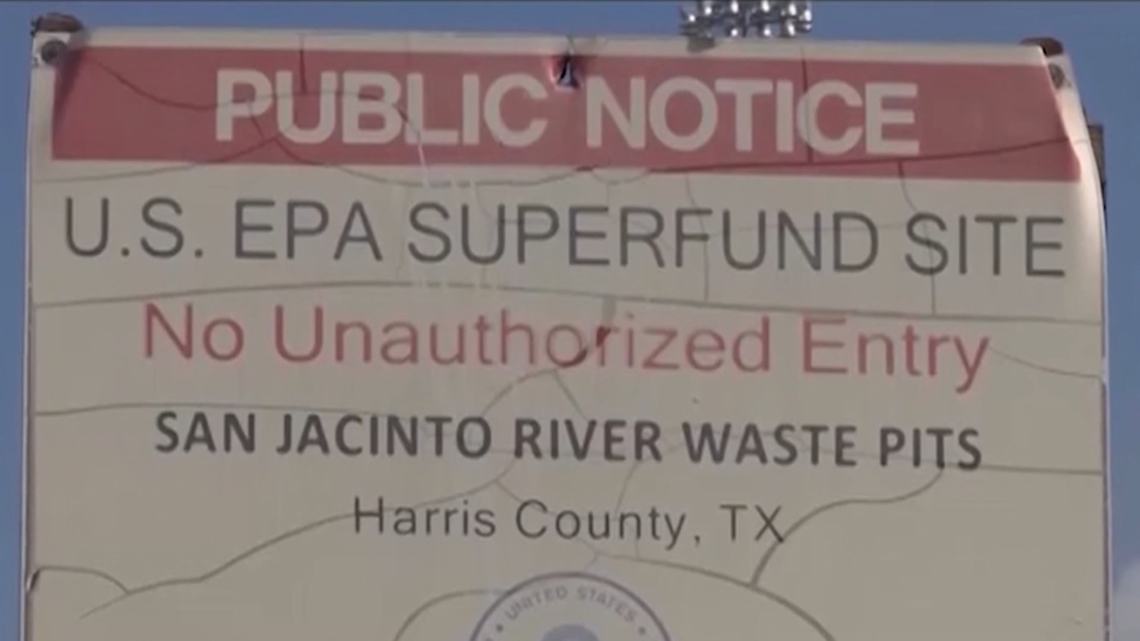
HOUSTON — After years of delays and mounting concerns from residents living along the San Jacinto River, the U.S. Environmental Protection Agency has ordered companies tied to the San Jacinto River Waste Pits Superfund Site to move forward with cleanup efforts many in the community say are long overdue.
The EPA issued the order on April 28, requiring International Paper and Waste Management subsidiary McGinnes Industrial Maintenance Corporation to carry out cleanup work at the site near the San Jacinto River in east Harris County.
The site has long raised concerns among nearby residents and environmental advocates, who say contamination issues date back decades. According to the EPA, toxic waste tied to paper mill operations was abandoned near the river in the 1960s.
Community members, advocates and local leaders gathered Wednesday inside the San Jacinto Community Center in Highlands following the announcement.
“This is a huge win for our communities,” said Jackie Medcalf, founder of the Texas Health and Environment Alliance. “We’ve been pushing from all around the river for over a decade to get this site out of our river.”
According to the EPA order, the companies are required to remove an estimated 230,000 cubic yards of toxic material from the Northern Impoundment area and follow strict safety standards during cleanup.
The companies have 10 days to respond to the order. If they fail to comply, they could face penalties of more than $71,000 per violation per day.
The EPA also has the authority to take over the cleanup itself and charge the companies up to three times the total cost of the work, according to information shared during Wednesday’s meeting.
Advocates tell KHOU 11 cleanup could begin within the next several months, though no specific start date has been announced. The EPA estimates the work could take roughly two years from the start of construction.
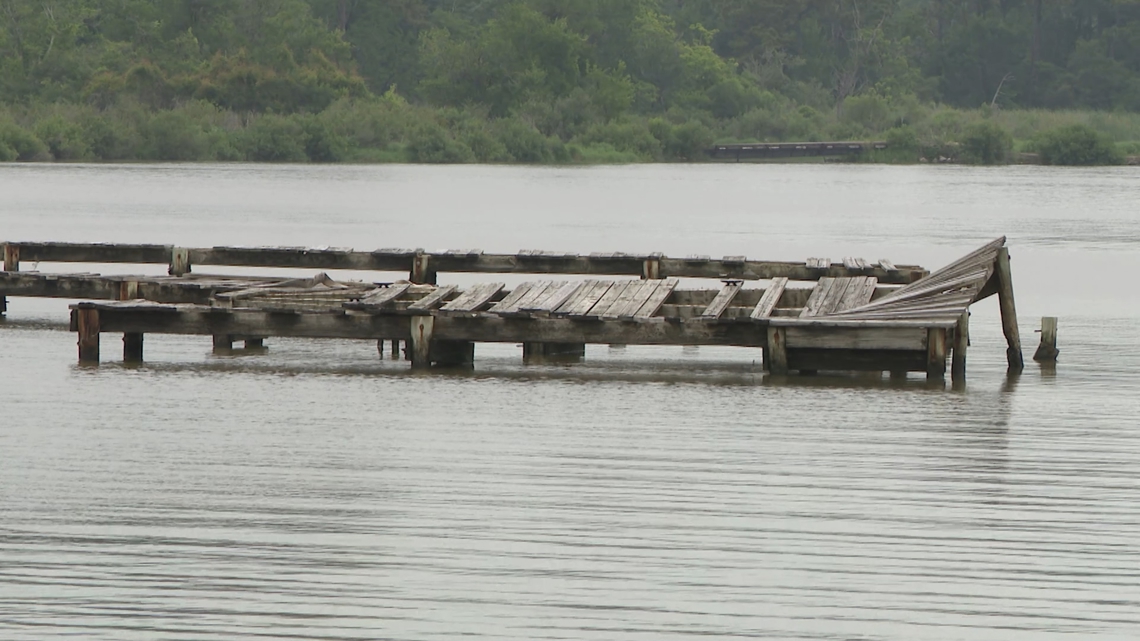
The EPA order follows years of advocacy from residents and environmental groups, including growing concerns tied to a documented cancer cluster in the area.
Last year, a state cancer cluster study found leukemia, lung and bronchus cancers, and lymphoma cancers in the area were statistically higher than expected. However, the report did not determine what caused the cancers.
For Highlands resident Randle Starnes, the issue has become deeply personal. Standing on property he has owned along the river for nearly 30 years, Starnes described the dreams he once had of building a home there.
“Had my big house all glass windows with a fireplace,” he said.
Instead, Starnes says he has battled cancer three separate times and now relies on a tracheostomy tube to help him breathe.
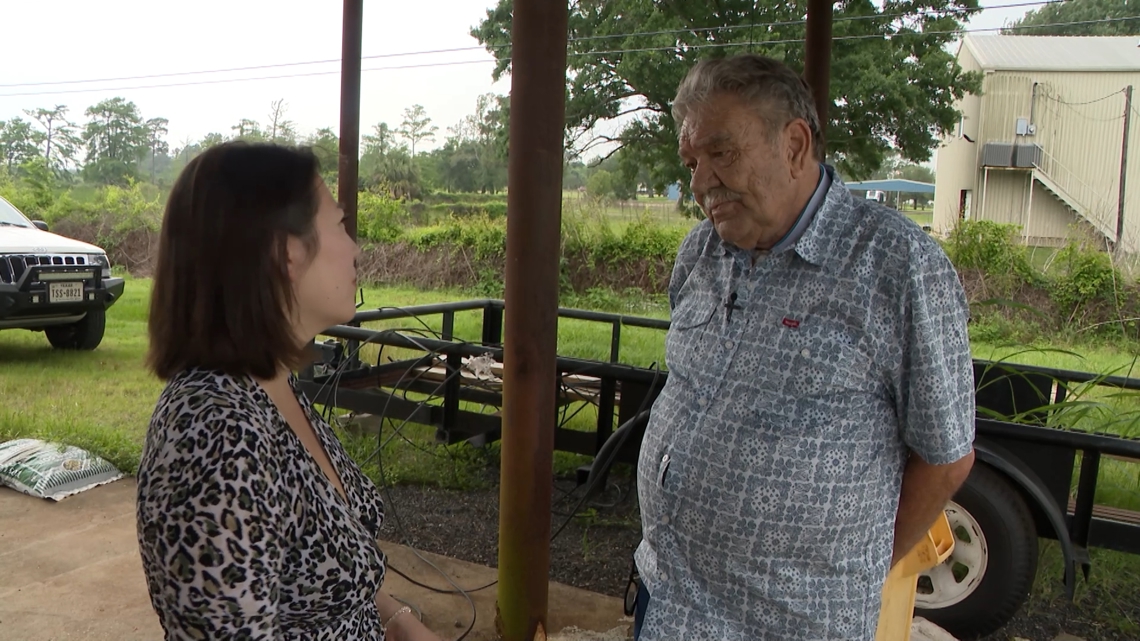
“I will never be able to live without a trach now due to that,” he said.
Starnes believes contamination tied to the waste pits has impacted not only his health, but many others living nearby as well.
“I’ve been to over 25 funerals within where people live within a mile of the Highlands waste pit,” he said.
Residents and advocates say the contamination concerns extend far beyond Highlands.
Medcalf, who grew up along the river herself and says both she and her father have faced serious health struggles, said families across communities near the river have shared similar experiences.
“We began to learn that our experience and our struggles wasn’t unique at all, that it was shared almost household to household,” Medcalf said.
Harris County Precinct 3 Commissioner Tom Ramsey also attended Wednesday’s meeting, calling the cleanup effort overdue.
“The San Jacinto River is really the lifeblood of Harris County,” Ramsey said.
He added that erosion and movement over the years have worsened concerns surrounding the site.
“The waste pits are not as big today as they were 10 years ago, not as big 20 years ago. Some of it has washed down the river and that’s not right,” Ramsey said.
For Starnes, Wednesday’s announcement brought cautious hope after years of frustration and waiting.
“Hopefully we can get this addressed and hopefully get started on solving it before I pass away,” he said.
Despite everything, he says he continues pushing for change for one reason.
“For my grandbabies.”