
From fracture risk to stress hormones to the morning-after anxiety spiral — here’s what the research and experts are saying.
CLEVELAND — Low bone density has long been flagged as a risk factor for fractures, but new research suggests it may signal something far more serious.
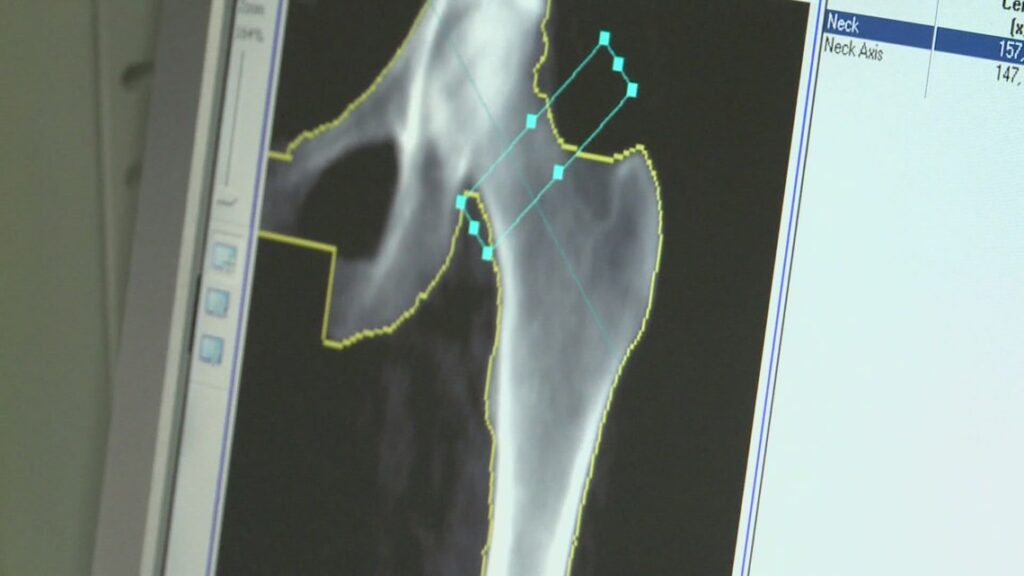
A study of nearly 3,000 post-menopausal women published in the journal Menopause found that those with osteoporosis face a 47% higher risk of dying from any cause. Perhaps more striking: bone density in the hip proved a stronger predictor of long-term mortality than body mass index.
Researchers say the findings point to bone density screening as a potentially underused tool for assessing overall health risk in older women — not just skeletal health.
Ozempic’s generic future is far off
If you’ve been waiting for a cheaper, generic version of the blockbuster diabetes and weight-loss drug semaglutide — better known as Ozempic — the timeline is not encouraging.
Experts say Americans are unlikely to see a generic version before the end of 2031, and the wait could stretch to 2042. The reason: Novo Nordisk, the drug’s maker, holds at least 49 patents on the medication. The practice, known as “evergreening,” involves continuously layering new patents to block generic competition.
Generic versions of semaglutide are already available in countries like Canada and India, widening the access and affordability gap for U.S. patients.
Cortisol and weight gain: What the experts actually say
Cortisol is everywhere on social media right now, with health influencers claiming the stress hormone is secretly driving weight gain. Cleveland Clinic experts say not so fast.
While cortisol does play a role in the body’s metabolism, weight gain is far more complex than any single hormone. The popular claim that elevated cortisol leads to “adrenal fatigue” is also a myth — in reality, cortisol can actually boost energy both in the short and long term. Only a true cortisol deficiency causes severe fatigue.
Before overhauling your diet or supplement routine based on influencer advice, Cleveland Clinic recommends talking with a qualified health provider.
Hangxiety is real — Here’s why it happens
Ever wake up after a night of drinking with a wave of dread or anxiety? That feeling has a name: hangxiety.
According to the Cleveland Clinic, alcohol may temporarily ease anxiety, but as the body processes and clears the alcohol, those anxious feelings often return — and can feel even stronger than before. Cringe-worthy memories or gaps in the night can compound the spiral.
The most effective prevention is skipping alcohol altogether. But if you do drink, experts say eating beforehand, pacing yourself, and staying hydrated can help soften the rebound.