
Today’s health headlines hit close to home — your drinking water, your prescription costs and the sneaky calories hiding in your kitchen.
CLEVELAND —
Trump Rx goes generic — But is it worth it?
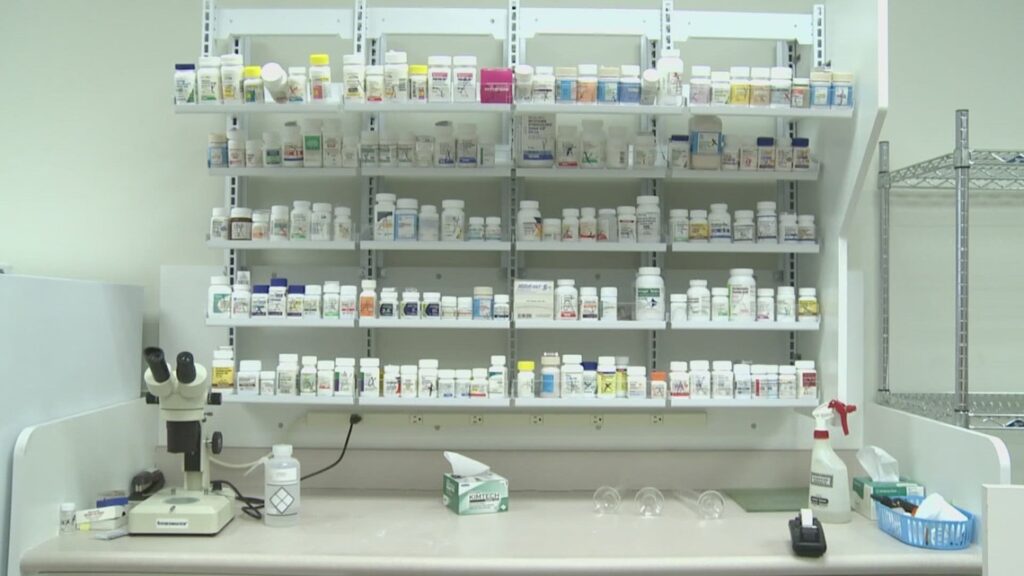
The Trump administration’s prescription drug comparison website is expanding, adding more than 600 generic drugs so users can shop and compare prices with local pharmacies and online options like Amazon Pharmacy.
But health economists and pharmacists say the site works best for a narrow group of people — those without insurance, or anyone on a high-deductible plan looking for deals on brand-name drugs with no generic versions. For most insured Americans, co-pays are likely lower than those offered by the site.
There’s another catch: any money spent on the site typically doesn’t count toward your insurance deductible or out-of-pocket maximum. Check with your insurance drug plan to know what works best for you. Pharmacists say the simplest move is to ask your local pharmacist what the cheapest option is for your specific medications.
Forever chemicals and your drinking water
The Trump administration is rolling back regulations on so-called “forever chemicals,” substances linked to cancer that can contaminate drinking water. The Environmental Protection Agency announced plans to rescind and restart rules on four types of PFAS (per- and polyfluoroalkyl substances), saying the previous rules didn’t follow required steps under the Safe Drinking Water Act, leaving them vulnerable to legal challenges.
Drinking water systems now have an extra two years to comply with any new standards, pushing the deadline to 2031.
Hidden calories are likely hiding in plain sight
Trying to shed a few pounds before summer? Cleveland Clinic says the culprits may already be in your kitchen — and on your plate.
Condiments, dressings, and sauces are easy calorie traps most people overlook. So are granola, trail mix, cooking oils, and nut butters. Custom coffee drinks, smoothies, sodas, and pre-packaged snacks add up faster than most people realize.
The fix isn’t cutting these foods out entirely — it’s paying attention to portions and serving sizes. A food journal or free calorie-tracking app can help you quickly spot where the extra calories are coming from.
One important reminder: experts say the absolute minimum daily calorie intake is 1,200. Talk to your doctor or provider about the right calorie goal for you.