
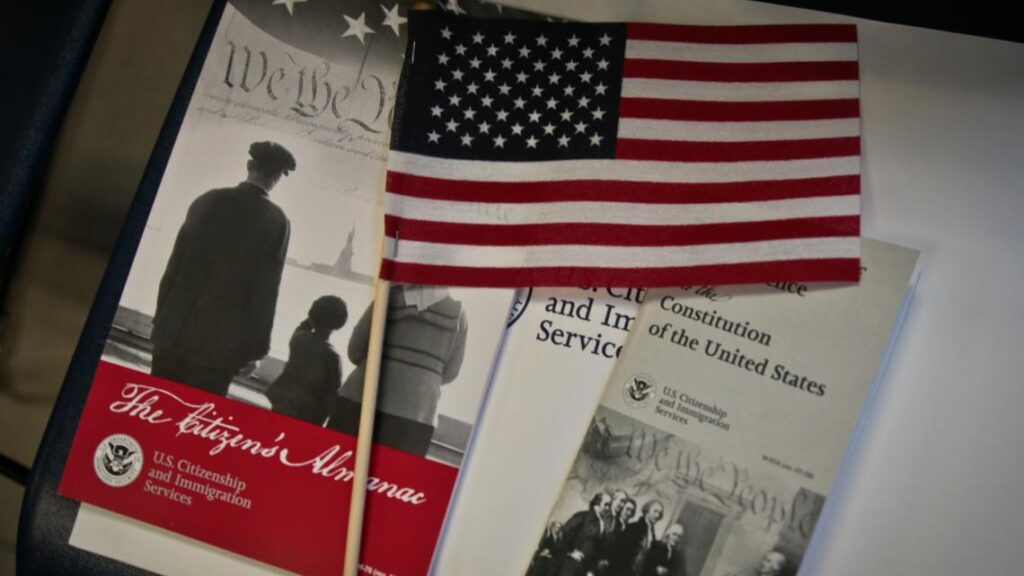
USCIS faces a massive backlog of 11.6 million immigration cases, leaving green card applicants and others in limbo as processing times become unpredictable.
DENVER — The U.S. Citizenship and Immigration Services backlog has more than tripled over the past decade, from 3.5 million pending cases in 2016 to 11.6 million in 2025.
The backlog left green card applicants, temporary protected status holders, and immigrant workers facing unpredictable wait times that attorneys and academics say are jeopardizing the legal status of people who followed the law.
The American Immigration Council released an interactive dashboard compiling USCIS data, revealing that processing capacity has fallen further and further behind on incoming applications. At current processing rates, it would take 13.8 months to clear the existing backlog—without any new cases being filed.
Immigration attorney Ian Rochstein, who has practiced for more than a decade, said delays have become more common for his clients.
“One of the first things I tell people at their first consultation is that the timelines are very unpredictable,” Rochstein said. “Sometimes we can get a case submitted, approved within just a few months, and other times we’re looking at one to two years.”
Rochstein said his office routinely reaches out to immigration agencies and congressional offices when cases stall, with little result.
“Frequently, we’re drafting to contact immigration to ask what’s going on,” he said. “Is there something we can add or help with to get the decision made? Usually, those inquiries go nowhere.”
One of his most recent green card approvals came for a case originally filed in March 2024. Another client had their green card interview in January of last year and is still awaiting a decision despite multiple inquiries and attempts to obtain congressional assistance.
The council’s data shows the backlog surged by an additional 2 million cases in 2025, following a rise in new applications and a decline in completions during the first three quarters of the second Trump administration.
Applications for Temporary Protected Status saw pending cases jump roughly 150%, from 465,118 to nearly 1.2 million. Pending employment authorization requests for individuals with green card applications more than doubled over the same period.
Denial rates have also climbed. Overall USCIS denial rates rose from 8.6% in 2016 to 11.1% by 2025.
Jazmin Chavez, an adjunct professor of Chicano Studies at Metropolitan State University Denver, said the delays are not happening in a vacuum. People following legal processes are being put at risk as a result.
“It is by no accident to have a whole class of people who are now gonna fall out of status because now they’re deportable, which means that we can go after them, which increases the quota of whatever numbers are supposed to hit,” Chavez said.
Chavez attributed the crisis to years of underfunding and policy decisions across administrations, compounded by the COVID-19 pandemic and ongoing budget and staffing cuts.
“It is very much a system that has been historically broken, but there’s been no investment of designing a system that would actually work for your everyday kind of immigrant or family or community member that’s applying for these processes,” she said.
The council’s data indicates USCIS spending under the current administration has been directed largely toward enforcement rather than processing infrastructure, and that the agency remains significantly understaffed to address the volume of pending cases.