
The U.S. Supreme Court is weighing whether freight brokers can be held liable for hiring unsafe trucking companies involved in deadly crashes.
DALLAS — A case before the U.S. Supreme Court could redefine who is held responsible when deadly truck crashes happen, and whether companies that arrange shipments can be sued for the choices they make.
At issue in Montgomery v. Caribe Transport is the role of freight brokers, the companies that connect shippers with trucking carriers. The court is weighing whether those brokers can be held liable in state courts for selecting unsafe carriers involved in crashes.
The answer could reshape accountability across the trucking industry and determine whether families can pursue claims beyond the driver and trucking company.
For some families, the stakes are deeply personal.
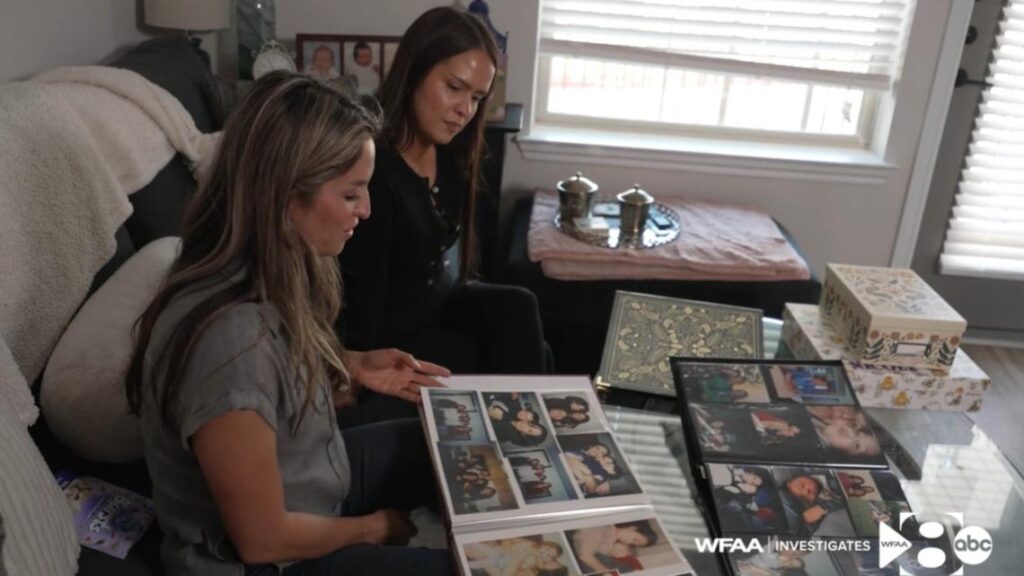
Alicia LaJeunesse’s sister, Nicole Gregory, was among five people killed in a June 28, 2025, crash near Terrell.
“I had just always thought I’d have my sister,” LaJeunesse said.
The driver in that crash faces manslaughter and aggravated assault charges. The trucking company, Hope Trans, had a history of safety violations and has since gone out of business.
“It could have easily been prevented,” LaJeunesse said.
Gregory’s family sued the driver, the trucking company, and the freight broker that hired Hope Trans to haul the load.
“Honestly, I’m angry. I’m mad at it all because where is the justice?” she said. “Like, where’s the accountability to make sure brokers actually follow the rules?”
The case before the court centers on a federal law that broadly limits how states can regulate trucking companies’ prices, routes and services. But the law includes an exception allowing states to regulate motor vehicle safety.
At the heart of the dispute is whether that “safety exception” applies to lawsuits accusing brokers of negligently hiring unsafe carriers.
Attorneys for families argue that it should, saying brokers act as gatekeepers who decide which companies are put on the road.
“The whole point of the tort is to keep dangerous motor vehicles off the road,” Paul Clement, an attorney for a victim’s family, told the court.
Several justices appeared to engage with that argument during oral arguments.
“(These suits) are all about getting good drivers behind the wheel of a massive truck,” Justice Elena Kagan said.
“It just seems odd to me to think that we would read this statute and all that it’s doing to have Congress caring about the particular defendants who are going to be sued at the end of the day,” Justice Ketanji Brown Jackson added.
Attorneys for the broker industry pushed back, arguing liability should stop with the trucking companies and drivers.
“Brokers don’t own, operate, or control motor vehicles,” said Theodore Boutros, an attorney for the broker, told the court.
They warned that expanding liability could lead to a patchwork of state laws and force brokers to take on a safety oversight role Congress never intended.
Lynn Gravley, incoming chairman of the Transportation Intermediaries Association and founder of North Texas-based NT Logistics, said brokers already use multiple databases and safety tools to vet carriers before hiring them.
“We take safety very, very seriously,” Gravley said. “We use every bit of information we possibly can.”
Gravley said brokers rely heavily on federal safety databases maintained by the Federal Motor Carrier Safety Administration, along with private services that track violations and identify “chameleon carriers” — companies that reopen under new names after safety problems or shutdowns.
“We genuinely care about safety,” he said. “All our people are running up and down these same roads.”
Gravley acknowledged ongoing problems with fraudulent and unsafe carriers operating in the industry.
“FMCSA has got their work ahead of them,” he said. “They’ve got some stuff they need to do.”
He said many brokers also impose their own internal standards, including waiting months before using newly created trucking companies so they have time to develop inspection and safety histories.
Industry groups warn that a ruling expanding broker liability could dramatically increase legal and insurance costs across the freight industry.
“If the court opens the door for broad negligent selection lawsuits against brokers… you would likely see an immediate increase in insurance costs and legal exposure… which ultimately translates to higher costs for consumers,” said Chris Burroughs, president and CEO of the Transportation Intermediaries Association.
The Trump administration has sided with the brokers.
The U.S. solicitor general argued in a brief to the Supreme Court that federal law blocks state negligence claims over how brokers select trucking companies, saying those lawsuits regulate a broker’s services — not motor vehicle safety — and could undermine the national framework for trucking oversight.
Business groups, insurers and major companies, including Amazon and Wayfair, have echoed that argument. But families who have lost loved ones say the issue is not theoretical.
For Angela Sims-Fuelling, of Myrtle Beach, South Carolina, it comes down to the last time she saw her husband. He left for work early that morning as he always did. She had told him not to wake her, just to kiss her goodbye.
“But he wouldn’t do that,” she said. “He’d tell me, ‘Honey, I’m leaving. I love you. I’ll see you later,” Angela said.
It was the last time she heard those words.
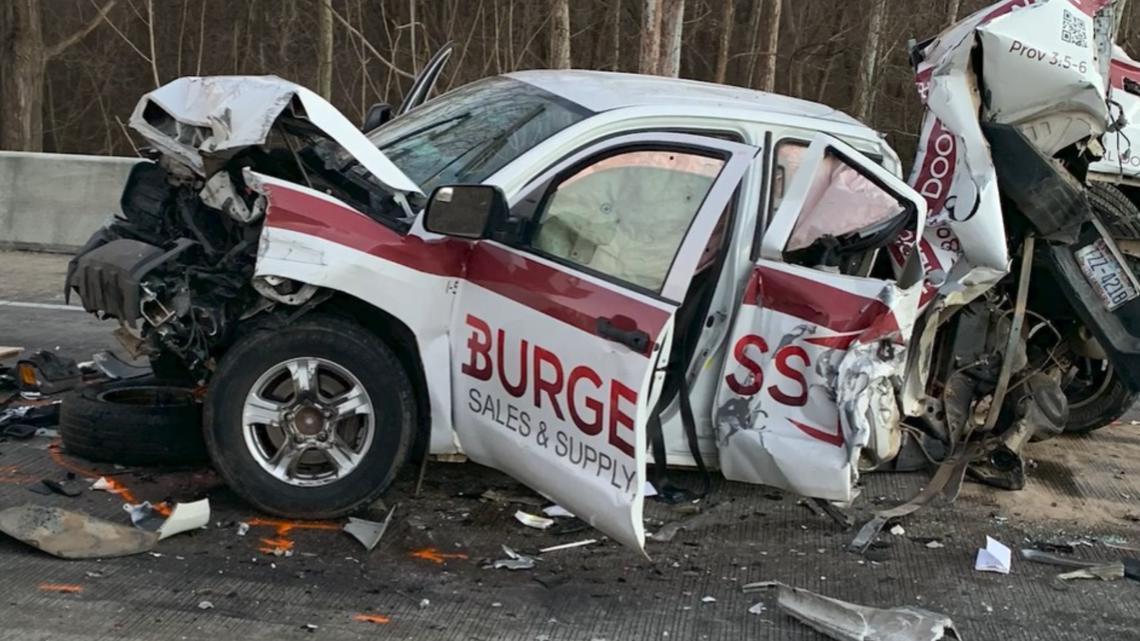
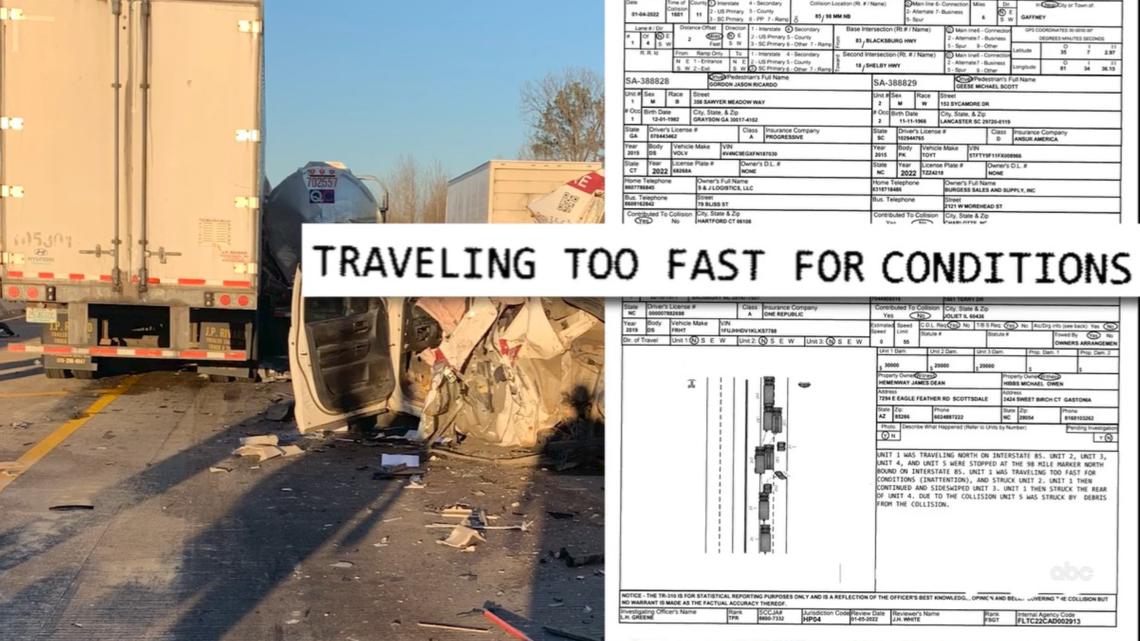
Later that day, her husband was killed when a tractor-trailer slammed into stopped traffic in a construction zone on Interstate 85.
“They were sitting in traffic, and the truck just hit them doing 55 miles an hour, never even hit his brakes,” she said.
Her husband was killed instantly.
“My whole world was just destroyed,” she said.
In the months that followed, she said grief made even basic routines difficult.
“There were days that I couldn’t … days that I didn’t want to get out of bed,” she said.
The driver received a ticket, she said — something she still struggles to accept.
“A truck, a semi like that — it’s a weapon,” she said. “He should have gotten more than a ticket.”
Like Gregory’s family, Sims-Fuelling sued the broker involved in arranging the shipment. She said the company that was hired had warning signs that should have been caught.
“The company that they selected had so many red flags that I don’t think they should have even been on the road,” she said.
She sees that decision as central to what happened.
“They selected the trucking company…they’re the ones who put that truck on the road,” she said.
American Truckers United told the court that without the risk of lawsuits, brokers would have “an unrestrained incentive” to hire the cheapest carriers — even those with poor safety records. Sims-Fuelling said she worries about what happens if the court sides with brokers.
“We’re going to see more people like me losing their loved ones,” she said.
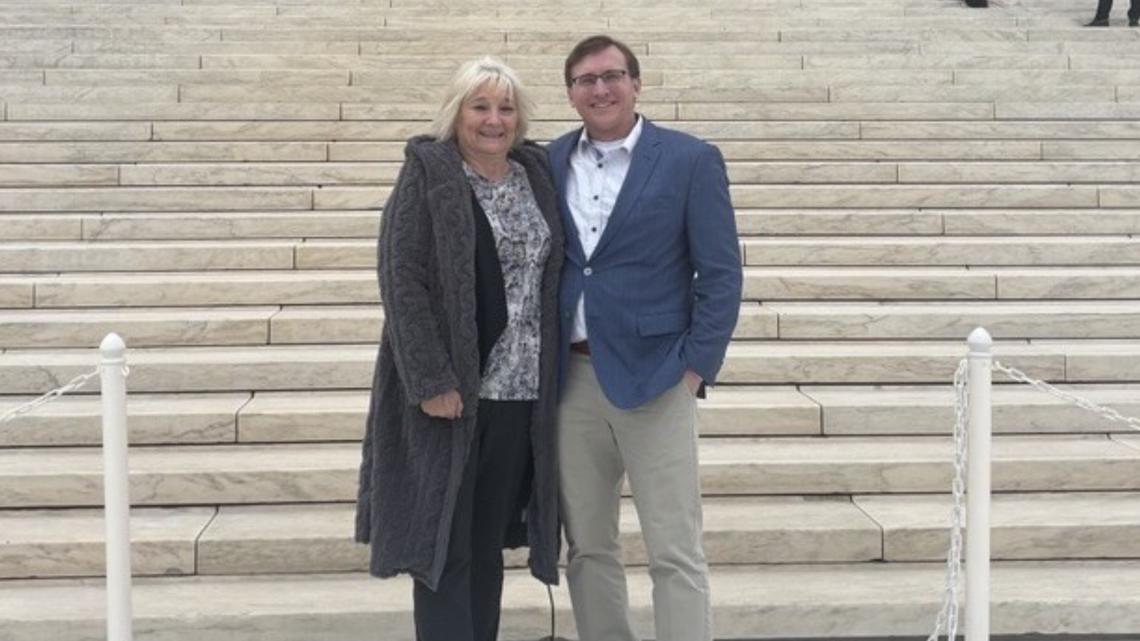
She attended the Supreme Court arguments in person, hoping to hear directly how the case would be argued.
“I wanted to hear … their excuse for my husband being dead,” she said.
For families like hers, the outcome carries lasting consequences.
“At the end of the day,” LaJeunesse said, “I think we would give anything just to have our loved ones back.”
If you missed any part of WFAA’s Blind Spots investigation, the full special is available to stream on WFAA+. Got a tip for our Investigates team? Let us know about it here.