
A women’s health condition gets a more accurate name, healthcare workers’ safety crisis, racial health gaps persist, and a GLP-1 side effect some are noticing.
CLEVELAND — Today’s health headlines touch on a long-overdue naming change for millions of women, a workplace safety crisis hiding in plain sight, persistent gaps in care that cut along racial lines, and a surprising side effect some GLP-1 users are reporting.
A common women’s health condition finally gets the right name
Up to 13 percent of women of reproductive age have it — but for decades, the name pointed doctors and patients in the wrong direction. Polycystic Ovary Syndrome, known as PCOS, was long associated with ovarian cysts that aren’t actually a defining feature of the condition.
Now, a global panel of clinicians, researchers, and patient advocates, published in The Lancet, is renaming it Polyendocrine Metabolic Ovarian Syndrome — or PMOS — a name that better reflects its true roots in the endocrine and metabolic systems. The World Health Organization estimates 70 percent of people with the condition go undiagnosed. Experts hope the more accurate name will lead to earlier recognition and proper treatment for the millions of women who have gone without answers.
Healthcare workers are being attacked — and leaving because of it
The people caring for patients are increasingly unsafe at work — and the numbers are striking. Nine in ten emergency physicians report experiencing workplace violence themselves or witnessing a colleague face it. More than 138,000 nurses have left the workforce since 2022, with burnout and safety concerns among the top reasons.
A new survey finds more than two-thirds of Ohio health professionals experienced workplace violence in the past year — mirroring the national trend. Staffing shortages, inadequate security, and a culture that treats abuse as an occupational hazard are pushing nearly two in five healthcare workers nationwide to consider leaving the profession altogether.
Racial health gaps persist in every state — and could get worse
Even after gains in coverage and affordability following the COVID-19 pandemic, racial and ethnic health disparities remain deeply embedded across all 50 states. A new Commonwealth Fund analysis of national health data from 2023 and 2024 finds that Native, Hispanic, and Black communities generally face worse access to care and higher costs than white communities across most states.
The report also warns that recent federal policy changes could further widen those gaps — raising urgent questions about the direction of national health equity efforts.
The “Ozempic Personality” — What the research actually shows
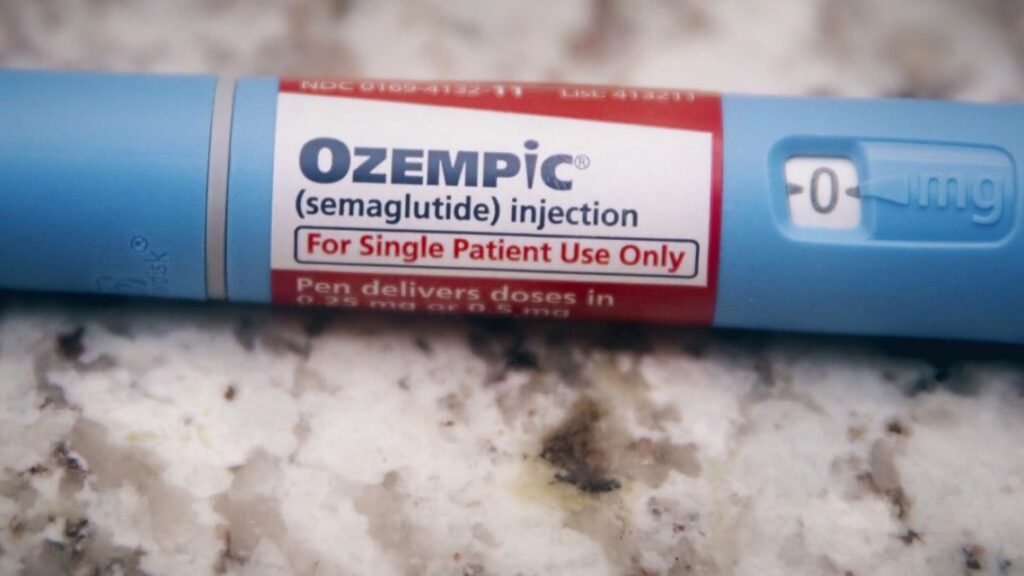
Some people taking GLP-1 weight loss drugs are noticing something unexpected: a dulled response to things they once enjoyed — music, hobbies, even sex. The phenomenon has been dubbed the “Ozempic personality,” and while it sounds alarming, researchers say it affects only a small number of patients. The vast majority report feeling happier, not emotionally flat.
Experts explain that these drugs quiet food-related reward signals in the brain — and in some cases, that effect can spill into other areas of life. Experts recommend that patients work alongside both a mental health professional and their medical team, particularly those with a history of depression or eating disorders.
Talk to your provider if you think these issues are affecting you.