
Gray Reed, a Dallas-based law firm, said they were able to reach an accommodation with the state, allowing camps to operate without fiber optic internet connection.
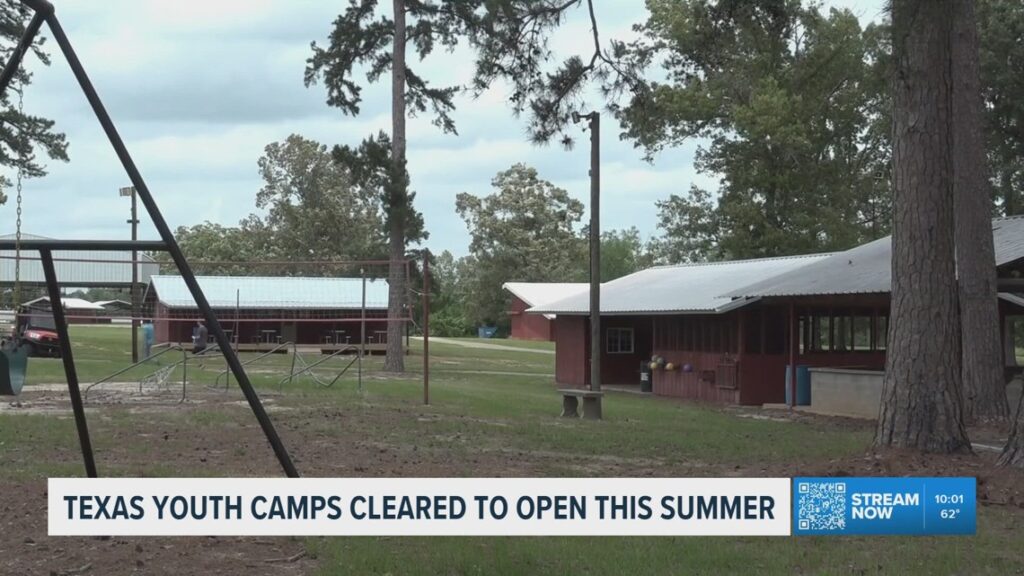
DALLAS, Texas — Several Texas youth camps across Texas will be able to fully operate this summer following an agreement addressing a new state law requiring fiber optic internet connection.
The Texas Department of State Health Services reached an agreement with a group of 19 youth camp operators regarding new legal requirements that all camps licensed by DSHS maintain fiber optic internet service. Per the new agreement, camps with a “redundant internet service” will not face potential license denial or revocation for not having fiber service during the 2026 camping season, so long as they meet all other safety requirements.
“This agreement will ensure that youth camps in Texas operate with the safety provisions envisioned by the Legislature while allowing camps and families to move forward with their summer plans,” said DSHS Commissioner Jennifer Shuford, MD, MPH.
Alternative broadband services— including cellular, microwave or satellite technology— are acceptable under the agreement as long as they meet the definition of broadband under the Texas Government Code.
The agreement stays the proceedings in the camp operators’ lawsuit until March 1, 2027, according to the DSHS.
In 2025, Texas lawmakers passed Senate Bill 1, also known as the “Heaven’s 27 Camp Safety Act,” and House Bill 1, known as the “Youth CAMPER Act,” following the deadly flash flood at Camp Mystic in Kerr County that claimed the lives of 27 campers and counselors.
The bills require youth camps to add several safety measures, including:
- Installing and maintaining emergency alert systems
- Training staff on evacuation routes/procedures
- Banning cabins from being located in floodplains
- Requiring state inspections to ensure camps are complying with emergency procedures
- Necessitating the installation of fiber internet access and backup broadband internet connection
The last requirement posed a difficulty to many camps located in rural areas of Texas, who argued that the infrastructure did not exist to install fiber optic internet connection. As a result, 19 camps at risk of being unable to open entered a lawsuit against the State of Texas, arguing the rural fiber infrastructure gap made meeting that measure impossible.
Gray Reed, a Texas law firm based in Dallas, said they were able to reach an accommodation with the state, allowing camps to operate with other forms of redundant communications connections— meaning these camps will not require fiber optic facilities as long as they meet other safety requirements.
“This agreement keeps camp doors open for children and families across Texas,” said Brian Anderson, Executive Director of Camp Peniel. “Camps are places where kids grow, build confidence, and form lifelong friendships, and this outcome makes sure those experiences continue this summer. Camps and campers across Texas are grateful to the state for agreeing to this temporary solution.”