
SAN ANTONIO – A hantavirus outbreak aboard a cruise ship has put a rare but deadly virus back in the headlines. While health experts say the risk to most Americans remains extremely low, the cluster of cases is raising fresh questions about a disease that — when it does strike — kills roughly one in three people it infects.
“This is not the next COVID, but it is a serious infectious disease,” Maria Van Kerkhove, director of epidemic and pandemic preparedness at the World Health Organization, told the Associated Press. “Most people will never be exposed to this.”
No cases have been reported to the Metropolitan Health District in San Antonio, according to a spokesperson.
TheTXLoop asked Dr. Jason Bowling, an infectious disease specialist with University Health and UT Health San Antonio, to explain what hantavirus is, who is most at risk and what people can do to protect themselves.
What is hantavirus?
Hantavirus is not a single virus — it’s a family. There are at least 40 known hantaviruses, and at least 22 of those are known to cause infections in humans, Bowling said.
The World Health Organization classifies it as a serious infectious disease, and for good reason.
In the United States, the mortality rate for hantavirus infection hovers around 35% — meaning roughly one in three people who contract it will develop a potentially life-threatening condition known as hantavirus pulmonary syndrome, according to Bowling
“So they get into basically respiratory failure as the infection progresses,” he said.
Can people get tested in San Antonio?
Testing for hantavirus is not widely available locally because the disease is so uncommon.
“Testing, since it’s such a rare disease, is a little bit difficult to come by,” Bowling said. “The testing basically tests for antibodies to see if your body has seen it before.”
Because the disease is so rare, testing without a clear high-risk exposure history runs the risk of a false positive result. Labs in the San Antonio area do not carry the test locally — it must be sent out. Physicians will typically assess a patient’s risk of exposure before ordering the test, Bowling said.
How do people get it?
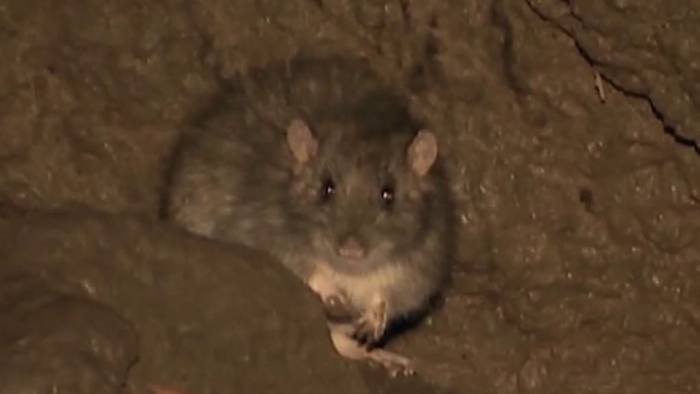
The most common route of transmission is exposure to infected rodent droppings, urine or saliva — making it primarily a mouse-borne illness.
“It’s very rare that it is transferred from person to person,” Bowling said.
That person-to-person strain is found in Argentina and Chile — not in the United States. Domestic cases typically occur when someone cleans out an enclosed space — a cabin, barn or similar area — where mice have been active, inadvertently aerosolizing particles from droppings or urine.
What about the cruise ship outbreak?
According to the Associated Press, detailed investigations of the cruise ship outbreak are ongoing, notably to determine its source.
Investigators in Argentina suspect that the cases were initially contracted during a birdwatching trip in Ushuaia, at the country’s southern tip, two officials told the AP.
Argentina has seen a surge of hantavirus cases that many local public health researchers attribute to climate change.
Officials have found evidence of Andes virus, a version of hantavirus found in South America.
What are the symptoms?
Symptoms of hantavirus are not immediately distinct, which makes early diagnosis challenging.
After exposure to infected rodent material, symptoms typically appear one to eight weeks later. Initial signs closely resemble the flu and can include fever, fatigue, muscle aches, nausea and diarrhea.
“Four to 10 days after those general, nonspecific symptoms is where people can start having significant shortness of breath and cough and maybe even some chest tightness,” Bowling said.
Anyone experiencing those respiratory symptoms should seek medical evaluation promptly.
How rare is it in Texas?
For residents in San Antonio and across Texas, the risk is extremely low.
According to the Centers for Disease Control and Prevention data, the last reported hantavirus case in Texas was in 2021.
When cases do occur in Texas, they are generally concentrated in the Panhandle region, Bowling said. Nationally, Arizona and New Mexico see the highest number of cases.
How can people protect themselves?
Since the strains circulating in the U.S. have been known not to spread person to person, prevention centers almost entirely focus on avoiding rodent exposure.
“The main way is to avoid exposure to mouse droppings, urine and saliva,” Bowling said. “Really try to keep mice out of your cabin, out of your barn.”
For anyone cleaning a space with known mouse activity, Bowling recommends spraying the area with a disinfectant first to reduce the risk of aerosolizing particles.
Wearing a mask — something many people became familiar with during the COVID-19 pandemic — is also a reasonable precaution, he said.
Copyright 2026 by TheTXLoop – All rights reserved.