
AUSTIN (KXAN) — The University of Texas at Austin’s Addiction Research Institute, or ARI, recently received a federal grant for research it hopes will create a new framework for handling stress and burnout experienced by addiction treatment workers.
KXAN reported on Thursday about what the grant will fund. On Friday, ARI Director Kasey Claborn spoke with us about why the “stress first aid” framework is an important step forward.
“There’s a widespread shortage of behavioral health workers, particularly social workers, peer support workers and harm reduction workers,” Claborn said. “These individuals working on the front lines, they experience pretty significant occupational stress, and so we’re in the process of testing out an intervention that Dr. Creech and team have developed and adapted called stress first aid.”
Dr. Suzannah Creech with Dell Medical School is the study’s principal investigator. She’s been active in research on chronic pain, veterans’ trauma and addiction since the 2000s.
“What that intervention will do is hopefully provide additional organization-level supports for harm reduction workers who are working on the opioid crisis and overdose prevention,” Claborn said.
Currently, these workers don’t have any “evidence-based intervention” to deal with stress. Stress first aid builds off models used in the military and by first responders.
The frontlines against an epidemic
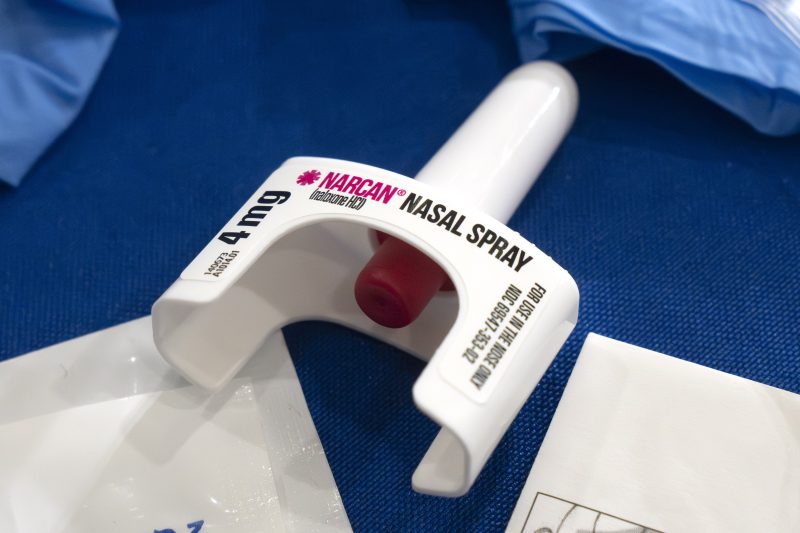
These workers are the frontlines against the opioid epidemic. Their work includes the distribution of overdose reversal medications, such as Narcan, and supplying clean needles to reduce the spread of certain illnesses. It’s also work that’s underfunded.
“When we’re talking about stress and burnout with this population, they have a lot of stressful experiences such as witnessing overdoses or hearing overdose stories,” she said. “I’ve heard stories of harm reduction workers … sometimes they don’t have enough Narcan or Naloxone to distribute in the community, so they have to pick and choose who actually gets the Narcan. That’s a really difficult choice … they have really difficult decisions.”
Despite those difficulties, it’s still critical work. Claborn said that it’s work for passionate people who want to save lives.
“They are truly saving lives on the ground. Their work is just invaluable,” she said. “They have been just critical towards creating change and moving the needle to save lives from the overdose crisis. They’re critical, and it really is time for the rest of us to help support them, because we need them on the front lines doing the important work that they do.”