
The University of Texas Medical Branch in Galveston is one of 13 biohazard units in the country that could take in hantavirus patients.
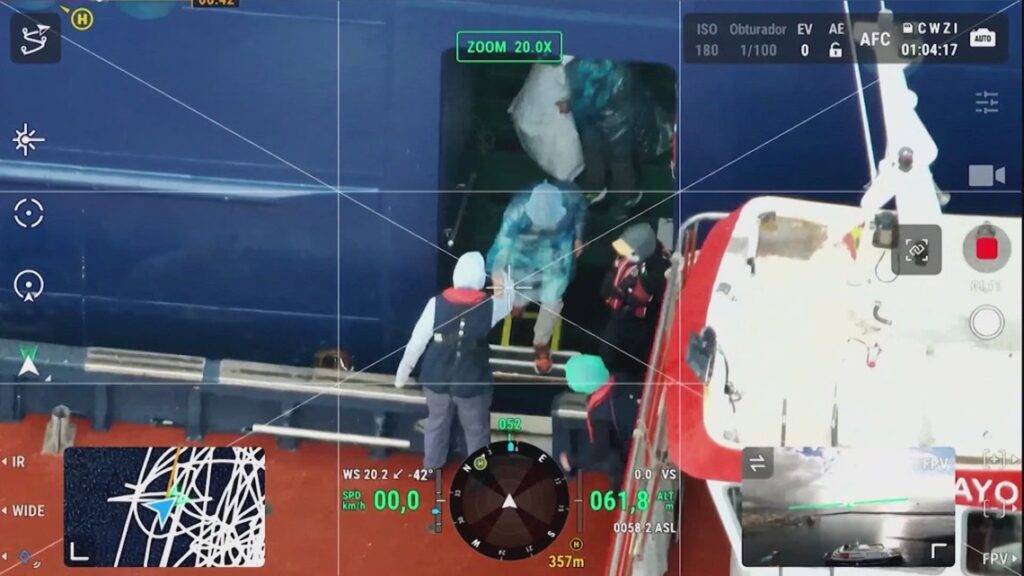
GALVESTON, Texas — UTMB in Galveston is one of 13 biohazard units in the United States that can take in patients such as the hantavirus patients who were on a cruise when an outbreak occurred.
The rare rodent-borne illness called hantavirus left three passengers dead and sickened others.
The National Emerging Special Pathogens Training & Education Center is a collaborative effort between health systems across the United States, created to bridge gaps in treatment and resources.
UTMB in Galveston is listed as the Region 6 treatment center. The University of Nebraska Medical Center, which is where some of the cruise ship patients were sent, is listed as the Region 7 treatment center.
What started this outbreak?
Detailed investigations of the cruise ship outbreak are ongoing, notably to determine its source. Investigators in Argentina suspect that the cases were initially contracted during a birdwatching trip in Ushuaia, at the country’s southern tip, two officials told AP. But officials in Ushuaia note that the virus has not previously been detected in the province.
Argentina has seen a surge of hantavirus cases that many local public health researchers attribute to climate change.
Global health officials said the risk to the general public remains low because the germ does not easily spread between people.
“This is not the next COVID, but it is a serious infectious disease,” said Maria Van Kerkhove, director of epidemic and pandemic preparedness at the World Health Organization. “Most people will never be exposed to this.”
What is hantavirus?
Hantaviruses have been around for centuries and are thought to exist around the world. The disease gained renewed attention last year after the late actor Gene Hackman ’s wife, Betsy Arakawa, died from a hantavirus infection in New Mexico.
The virus usually spreads when people inhale contaminated residue of rodent droppings. But the hantavirus that has caused the current outbreak, called the Andes virus, may be able to spread between people in rare cases. Because of this, health officials are taking extra precautions with passengers returning to their home countries.
Symptoms
An infection can rapidly progress and become life-threatening. Experts say it can start with symptoms including fever, chills, muscle aches and maybe a headache — much like the flu.
Symptoms of hantavirus pulmonary syndrome usually show between one and eight weeks after contact with an infected rodent. As the infection progresses, patients might experience tightness in the chest, as the lungs fill with fluid.
The other syndrome caused by hantavirus — known as hemorrhagic fever with renal syndrome, which can cause bleeding, high fever, and kidney failure — usually develops within a week or two after exposure.
Death rates vary by which hantavirus causes the illness. Hantavirus pulmonary syndrome is fatal in about 35% of people infected, while the death rate for hemorrhagic fever with renal syndrome varies from 1% to 15% of patients, according to the CDC.
There is no specific treatment or cure, but early medical attention can increase the chance of survival.
Got a news tip or story idea? Email us at newstips@khou.com or call 713-521-4310 and include your name and the best way to reach you.
Copyright 2025 Associated Press. All rights reserved. This material may not be published, broadcast, rewritten, or redistributed.