
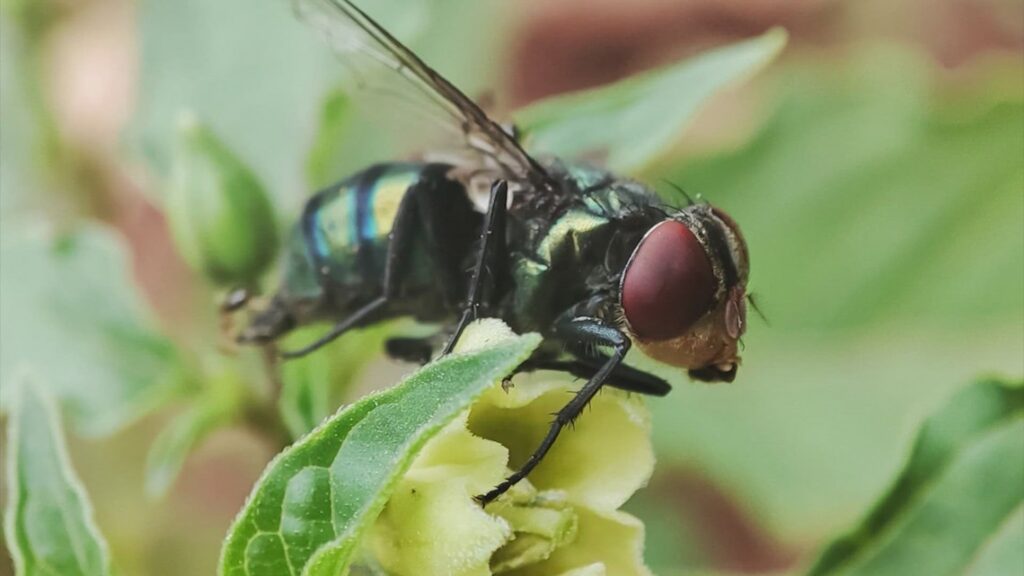
Texas launches TDA Swormlure to protect its $15B cattle industry from the deadly New World Screwworm, now just 370 miles from the state.
TEXAS, USA — The Texas Department of Agriculture is rolling out a high-tech weapon in the fight against the New World Screwworm — a pest that poses a serious threat to the state’s $15 billion cattle industry.
Commissioner Sid Miller announced the development of TDA Swormlure, a state-of-the-art attractant designed to track and eliminate screwworm flies before they can devastate livestock. The lure uses a sophisticated chemical blend enclosed in a proprietary polymer with an easy-to-use delivery system.
“When it comes to safeguarding Texas’ $15 billion cattle industry, we need to focus on action rather than words,” Miller said. “This new attractant, named TDA Swormlure, marks a serious upgrade in our efforts to protect Texas livestock from the threat of the New World Screwworm, now roughly 370 miles south of Texas.”
Beyond outdated methods
Miller said traditional tools like the Sterile Insect Technique, used from the 1930s to the 1970s, are still helpful but no longer enough on their own. Instead, TDA Swormlure represents a new, science-backed prevention strategy for wider and more effective use.
The lure is currently being tested in Panama — a screwworm hot zone — in partnership with the USDA’s Animal and Plant Health Inspection Service. Early results have been promising, and Miller says the traps are expected to outperform anything else available.
More tools on the way
The TDA’s strategy goes beyond the lure. Additional measures in development include:
- A TDA Swormlure fly trap capable of killing up to 90% of flies on contact.
- A new Ivermectin feed additive for livestock and deer populations.
- A cattle vaccine that kills screwworm larvae.
Miller said these advancements show Texas is serious about protecting its ranchers.
“Texas ranchers deserve better than outdated practices and bureaucratic complacency,” Miller said. “We’re taking real action with effective solutions to stop NWS in its tracks. This is Texas innovation in action, and it’s exactly what our agricultural industry needs.”