
AUSTIN (KXAN) — “What now?” That’s one of many questions that arise immediately after natural disasters strike.
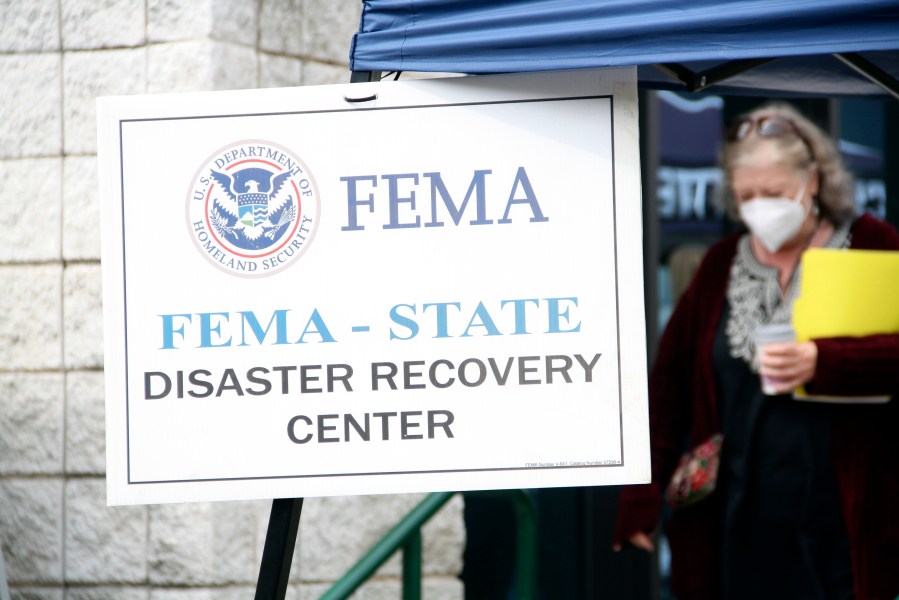
FEMA, the Federal Emergency Management Agency, often comes up during the response period to a disaster, but what does the agency do, and how does it work?
According to its website, “FEMA’s mission is to help people before, during and after disasters.”
FEMA doesn’t automatically respond to every disaster and is initiated through an official request, according to its website. State, tribal, or territorial government must formally request federal assistance before FEMA can deploy resources for disaster recovery.
The agency was activated in Texas on Sunday following President Trump’s Major Disaster Declaration after heavy storms caused flooding across Texas, especially in the Hill Country area, throughout the weekend.
According to FEMA, “a major disaster declaration provides a wide range of federal assistance programs for individuals and public infrastructure, including funds for both emergency and permanent work.”
Joel Yonkman, owner and founder of Emergency Response & Global Security Solutions, explained what disaster survivors can expect when the agency is activated.
“One thing to remember is, is that FEMA is not an insurance company,” Yonkman said. “FEMA is intended to kind of support if there’s a gap in losses associated with, like, essential items that people need to survive.”
Yonkman has more than 35 years of experience in emergency management and disaster response, according to the company’s website. He has consulted for FEMA and several other national agencies on emergency preparedness, response coordination, and disaster resilience.
If people affected by a disaster apply for FEMA assistance, they have to meet certain criteria before getting that assistance.
FEMA eligibility includes the following, according to its website:
- Citizenship Status: Only United States citizens, non-citizen nationals, or qualified aliens are eligible to receive assistance from FEMA.
- Identity Verification: You need to prove your identity with a valid Social Security number.
- Ownership/Occupancy Verification: For certain types of assistance, FEMA must confirm the disaster-damaged home is your primary residence.
- Unmet Need After Insurance: FEMA cannot provide assistance for disaster needs that have already been met by another source, like insurance or other programs. But, if your insurance or another program does not cover all your disaster-caused needs, you may be eligible for assistance from FEMA.
“When we talk about eligibility, we’re looking at, you know, what did people lose? And then ultimately, what’s required, or what do they believe is this formula for life-sustaining stuff, and then what’s not covered by insurance,” Yonkman explained. “So the expectation of FEMA is that your insurance company is going to cover any loss that you have associated with a disaster.”
Yonkman explained that the first thing people need to do is apply for an insurance claim for the loss. If they receive a rejection from their insurance company, or if the insurance company doesn’t fully cover the loss, that’s when FEMA steps in to provide help.
Applying for FEMA assistance
If disaster survivors think they meet the eligibility criteria, they can apply for FEMA Individuals and Households Program assistance in several different ways. Applications can be filled out online at DisasterAssistance.gov, or in person, online, or by phone.
Before applying, damage should be thoroughly recorded. FEMA may verify damage through an on-site or remote inspection.
Applicants should check for updates from FEMA, which may be sent via email, calls, or texts. Applicants can check the status of their applications online by logging into their account at DisasterAssistance.gov or by calling the FEMA Helpline at 800-621-3362.