
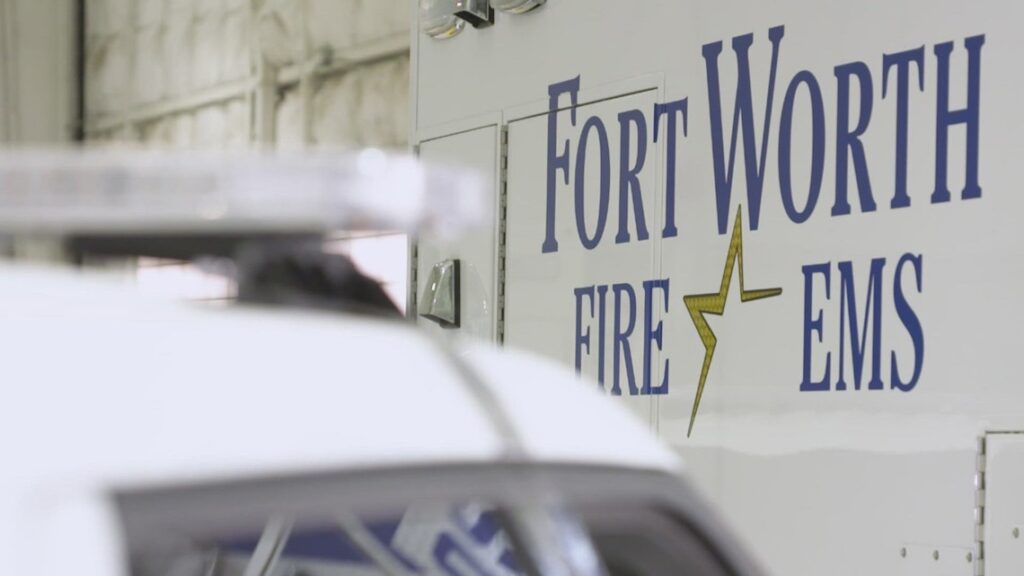
FORT WORTH, Texas — A major shift in emergency services is set to take effect in Fort Worth on July 1: MedStar, the ambulance service that has served the city for nearly four decades, is merging with the Fort Worth Fire Department.
“Change is work, and work is hard,” said Fire Chief Jim Davis. “But make no mistake — we are ready for July 1.”
This change means FWFD will now handle all EMS services for Fort Worth and 14 surrounding cities.
Why it’s happening now
With Fort Worth’s explosive growth — from about 470,000 people in 1995 to over 1 million residents today — leaders say the transition is necessary.
“That doesn’t even account for the extreme growth we’ve seen in Tarrant County,” said Mayor Mattie Parker.
Mike Drivdahl with the Fort Worth Professional Firefighters Association, who has been with FWFD for 18 years, added that fire crews are already responding to over 5,000 calls a year in the city. “We’re a busy company,” he said.
Employees on board, with benefits
Shaun Curtis, who has worked with MedStar for 24 years, admits there was initial concern about the merger.
“There was a lot of apprehension,” Curtis said. “Are salaries going to be okay? What’s the workload going to be?”
But Curtis — who will serve as the new Deputy EMS Officer under FWFD — says most concerns have been addressed. “I feel really good about it,” he said.
The city reports that more than 600 MedStar employees — 98% of the workforce — have opted to join the Fire Department. In addition to keeping their jobs, they’ll now earn better pay and gain access to pensions.
“They’ll see newly logoed ambulances showing up. They’ll see new uniforms on the crews, but it’s the same crews that have been servicing this community since 1986,” Curtis said.
What residents will notice
Behind the scenes, much of the transition is already underway. Dispatch teams have been merged, which officials say is already improving response times.
According to Mayor Parker, residents may see ambulances arriving up to 5.5 minutes faster, time that could be the difference between life and death.
“You think about somebody actively choking, somebody having a heart attack, somebody who stopped breathing. Those seconds matter to folks,” Curtis said.
Over the next several months, the city plans to expand its EMS infrastructure, including adding ambulances at fire stations.
“We just have to build out the medical supply cast, the oxygen refill station, some of the infrastructure that supports the ambulance so they can come out of there,” Curtis said.
Despite the challenges of a merger, Chief Davis says the crews have handled it with professionalism.
“These folks on the street have done it with a lot of change coming at them from multiple directions,” Davis said.
The transition has been discussed for years, but kicked into high gear in the past 12 months. Come July 1 — it’s official.