
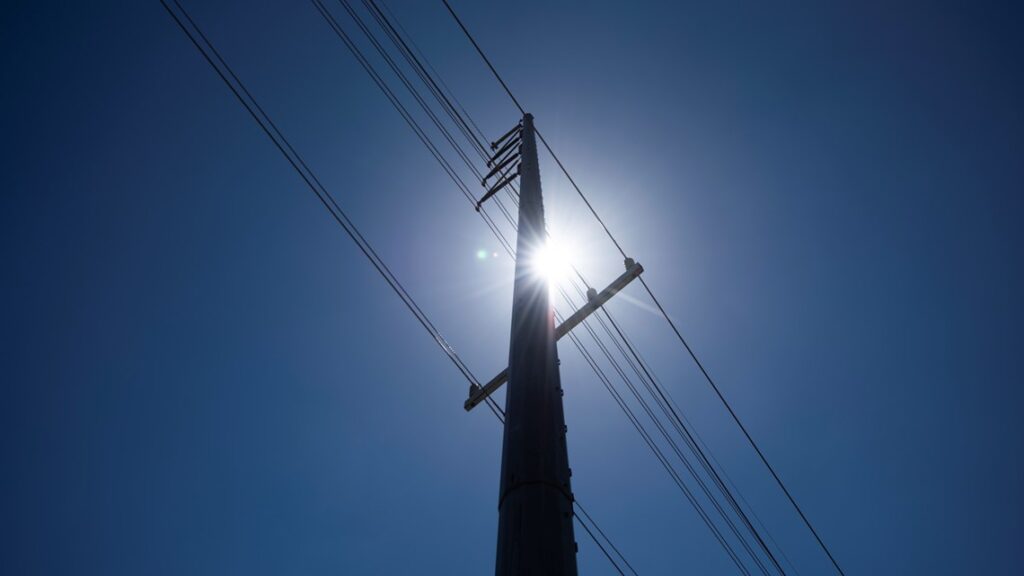
On Tuesday, ERCOT officials forecasted peak load at 87.5 gigawatts, more than 2 gigawatts higher than the previous demand record set in August 2023.
AUSTIN, Texas — Officials with the Electric Reliability Council of Texas (ERCOT), which runs most of the state’s power grid, forecasted record energy demand this summer.
ERCOT officials said on Tuesday peak summer usage could hit 87.5 gigawatts, or enough electricity to power about 17.5 million homes during peak demand.
The current demand record is nearly 85.5 gigawatts. That was set in August 2023, a month when ERCOT issued eight calls for conservation.
CEO Pablo Vegas said it’s not just people moving to Texas driving what he calls “significant and unpredictable” demand growth. It’s also data centers, industrial electrification and reshoring of manufacturing.
Dr. Michael Webber, an energy expert and professor at the University of Texas at Austin, said while more power resources are still needed, the growth in peak demand is not as high as it could have been.
“We saw even more peak demand growth in prior years, especially running up between 2021 and 2023,” said Dr. Webber. “Since then, peak load has slowed a little bit because we’ve been managing the peak better because of batteries or storage, or because of things we can turn off, flexible loads.”
Solar energy and battery storage made up most of the nearly 10 gigawatts of new generation added to the grid since 2024.
ERCOT credits those new power sources with lowering the risk of tight grid conditions and forced outages this summer, less than 1% on peak load days, compared to 2024.
“That assumes that a lot of things happen in the way they’re supposed to happen, including large loads that are flexible, that are price sensitive, turning off at the right time of day, and it assumes that batteries charge and then discharge and manage their charge so that they’re available during the tighter time frames,” said Dan Woodfin, ERCOT vice president of System Operations.
Woodfin predicts the tightest time for the grid this summer won’t be during the hottest part of the day in the afternoons, but rather between 8 p.m. to 9 p.m., when the sun is setting and solar generation drops while temperatures stay high.