
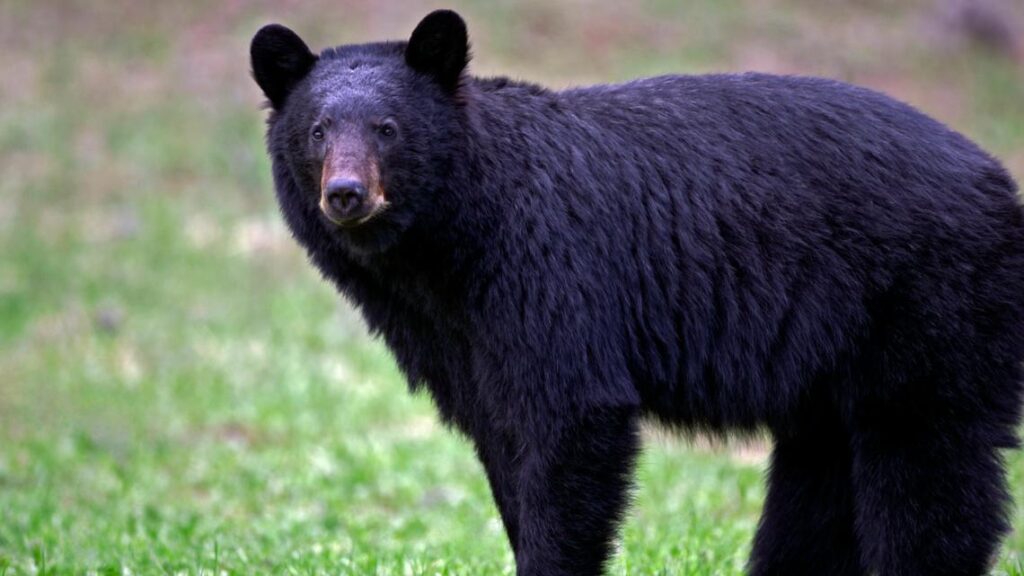
Several trails at Great Smoky Mountains National Park are temporarily closed due to “aggressive bear activity” as officials warn that encounters are increasing.
WASHINGTON — Great Smoky Mountains National Park has temporarily closed several trails due to what officials described as “aggressive bear activity” as black bear encounters continue to increase during peak spring and summer months.
Ramsey Cascades Trail remained closed Thursday after first shutting down May 8 because of repeated bear activity, according to the National Park Service. Mollies Ridge Shelter along the Appalachian Trail was also closed due to aggressive bears.
Park officials warned visitors that bear encounters are more likely this time of year, especially from May through August.
“Bear activity is especially high during May-August,” the park said on its website. “Visitors may experience a higher likelihood of bear encounters this time of year.”
The closures follow several recent incidents involving black bears in the park. Rangers responded to three bear-related encounters on Ramsey Cascades Trail in April, including two incidents in which bears approached visitors and stole backpacks. In another case, a bear briefly chased a hiking group.
Officials also reported three incidents involving an aggressive black bear on Abrams Falls Trail, including one in which a visitor was bitten after entering a closed area. That trail has since reopened.
Park officials said spring is a particularly sensitive time because mother bears are emerging from dens with cubs while searching for limited food sources.
The National Park Service urged visitors to stay at least 50 yards away from bears, properly secure food and trash, avoid hiking alone when possible and consider carrying bear spray.
Great Smoky Mountains National Park is home to about 1,900 black bears and receives roughly 12 million visitors annually, making it the most-visited national park in the country.
The warnings come amid several recent bear incidents at national parks across the U.S.
Last week, a missing hiker was found dead in Montana’s Glacier National Park in what officials said appeared to be the park’s first fatal bear encounter since 1998. Days earlier, two hikers were seriously injured in a grizzly bear attack in Yellowstone National Park. Officials there said evidence suggested the bear involved was a mother grizzly with cubs.
Park officials emphasized that high bear activity can occur anywhere in the Smokies and said trail closures could change as conditions evolve.