
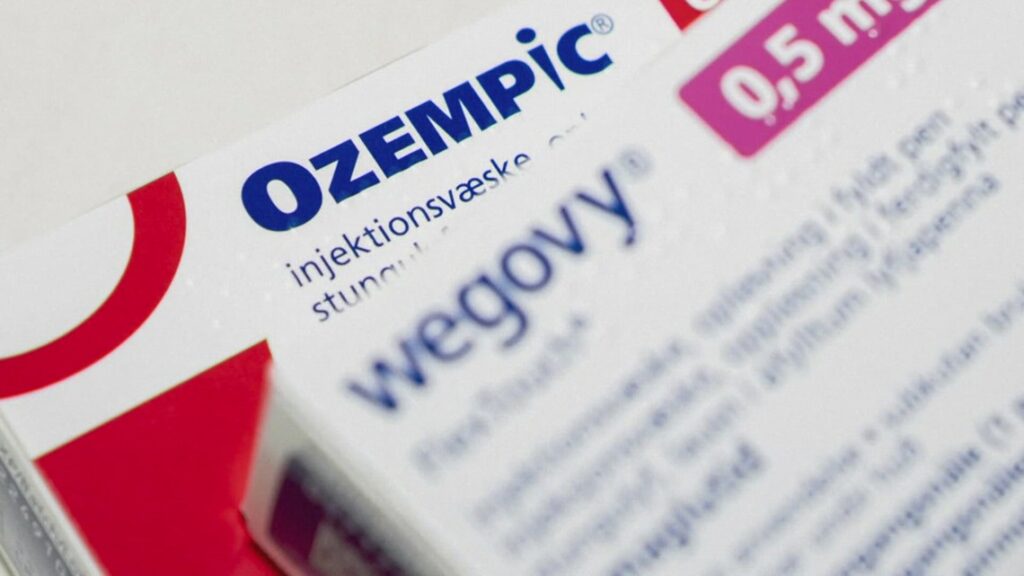
Earlier this year, the FDA pulled semaglutide from its shortage list, preventing compounding pharmacies from selling more cost-effective versions of the popular drug
DALLAS — With the active ingredient behind such popular weight-loss medications as Ozempic and Wegovy no longer listed on the FDA’s national drug shortage list, North Texas pharmacies are suddenly feeling the squeeze.
In February, the FDA determined that the semaglutide shortage, spurred on by the appeal of the diabetes treatments’ use as a weight-loss drug, had been resolved. But that isn’t necessarily the cause for celebration most might imagine.
As of May, pharmacies that had been selling compounded versions of the drug were forced to halt their sales.
On average, name-brand GLP-1 drugs such as Ozempic and Wegovy can cost users anywhere from $900 to $1,500 per month. Meanwhile, compounded GLP-1s – versions of the drug produced by compounding pharmacies that specialize in personalized medications – cost an average $150 to $400 each month, making them a cheaper option for consumers who rely on the drugs to treat type-2 diabetes and obesity.
Compounded GLP-1s had accounted for a large percentage of revenue for many pharmacies in North Texas. But with semaglutide being pulled from the national shortage list – and in turn, off local compounding pharmacy shelves – that revenue has now dried up.
“It’s a dramatic change to the amount of daily customers we have, which, obviously, is going to be income,” said Brad Hart, the owner of Forest Park Pharmacy in Fort Worth.
According to Scott Brunner, the chief executive officer of the Alliance for Pharmacy Compounding, this isn’t an issue specific to North Texas, either.
“I’ve heard of patients having tantrums at the pharmacy counter when they see the price tag of the name-brand drug they have been prescribed,” said Brunner.
It’s not just the consumers who have come to depend on these friendlier prices. Pharmacies can compound semaglutide for pennies to a few dollars per month, making the drugs more profitable and creating massive margins that are impossible top achieve with the branded products.
“They cost thousands of dollars for us to be able to do them,” Hart said, explaining why pharmacies like his don’t provide many customers name-brand offerings like Ozempic or Wegovy.
In fact, Hart said, selling name-brand GLP-1s is a losing proposition for smaller, independent pharmacies like his. These pharmacies spend thousands of dollars to procure these medications, then wait up to six weeks for insurance companies to reimburse them after their sales to customers. And those reimbursements, Hart said, are less than what the pharmacies spend on the medication in the first place.
“The pharmacy is not being paid for the price of the drug,” Brunner said. “They’re paid less than their acquisition cost for the drug, and that doesn’t even take into account the overhead and all that sort of stuff.”
For compounding pharmacies, this loss of profit is why many have started shying away from carrying the name-brand drugs at all.
“I mean, that’s not a very good business strategy to continue to dispense drugs where you’re not being reimbursed your cost,” Brunner said.
That financial structure makes it difficult for smaller pharmacies to compete with bigger brands and stay afloat.
“I don’t know any small independent pharmacies that are able to dispense [Ozempic or Wegovy] at high volumes,” Hart said. “Most of them are going to find ways to get their patients to go to Walgreens or CVS [because they can no longer affordably offer the drugs].”
Compounded GLP-1s were initially introduced to the market after the demand for name brand GLP-1’s like Ozempic and Wegovy outgrew the supply, putting them on the shortage list. When a drug is on the shortage list, the FDA allows for compounding pharmacies like Hart’s to create “copies” of the FDA approved drug until the shortage is fixed.
“Compounded drugs are not competition for FDA approved drugs,” said Brunner. “They are designed to fill gaps.”
When the compounded versions of the popular FDA-approved GLP-1s hit the market at a cheaper price, popularity for these versions soared.
“I used to say this is the biggest thing we’ve seen since Viagra and Cialis, or the HIV drugs in the ’90s, but I think the drug has become even bigger than that,” said Brunner.
As these compounded GLP-1s gained popularity, FDA-approved GLP-1 manufacturing companies such as Eli Lilly and Novo Nordisk were investing billions of dollars in building, expanding, and acquiring manufacturing plants to boost production of their patented GLP-1s.
That production erased the semaglutide shortage, which in turn removed the drug from the shortage list. And no longer appearing on the shortage list, per FDA protocol, means no more compounded semaglutide creation – which also means no more friendly prices.
“There’s the old Merle Haggard song ‘Are the Good Times Really Over’,” Brunner said. “I think that’s what a lot of pharmacies were asking.”
The effects of these changes have been real, Brunner said. The expansion that these pharmacies had prepared for has gone away. Layoffs have been made. Compounding lab additions have been collecting dust. Telehealth platforms have gone extinct.
At the same time, Americans interest in these products continues to grow. The fear pharmacists – like Hart – have is Americans will now turn to unsafe and unregulated avenues to get these medications.
“I don’t even really want to talk about the way people are getting them online,” Hart said. “That one is scary.”
Brunner also has concerns about counterfeit options finding their way into customers’ hands.
“I’m amazed and baffled that people are going to Reddit chat rooms and TikTok videos to learn how to dose themselves,” Brunner said. “Or buying a substance that is supposed to be semaglutide from some online offshore entity, getting some distilled water, a syringe, mixing the stuff themselves, and using it. It’s a wonder that there haven’t been more deaths.”
Hart is clear to point out that medications distributed by pharmacies are safe. Licensed pharmacists are educated in compounding medications, and competent when adding and combining new ingredients together.
“If you’re just getting the ingredient online somewhere and then you’re just shaking it in a bottle at home before injecting it, that’s bad news,” Hart said.
Patient safety, Brunner said, should be an area where compounder and drug maker interests overlap.
“We ought to be working together on the counterfeiting and the craziness,” Brunner said.