
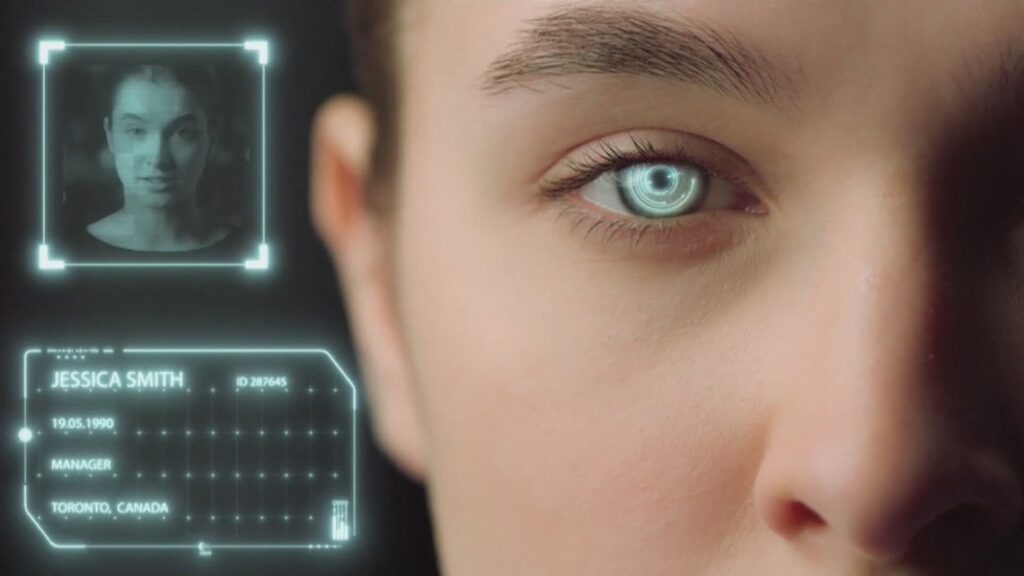
In just 6 months, Dallas Police used Clearview AI nearly 100 times, but civil rights advocates are raising a red flag.
DALLAS — Dallas Police said leads generated by a controversial and powerful facial recognition software have led to arrests, but critics worry the department does not have sufficient guardrails in place to guide its use.
Officers in the first six months of the department’s use of the Clearview AI technology identified suspects in robberies, a sexual assault and an internet sex crime, Intelligence Division Major Brian Lamberson told WFAA on Wednesday.
“If it’s just one, that’s a victim that is going to go get some type of justice,” said.
In a briefing to City Council earlier this month, DPD said it had used the technology 94 times to generate around 30 possible matches. For each potential match, department guidelines require officers to investigate further before making an arrest.
“It’s a lead. I can give that back to the detective,” explained Lamberson. “It’s their job to now go follow up, do the background, do the rest of the work that it takes to determine whether this person actually is a suspect.”
But the department’s guidelines fall short of other cities and leave opportunities for mistakes, said Nate Wessler, the Deputy Director of the ACLU’s Speech, Privacy and Technology project.
“I’m really afraid that those safeguards aren’t quite up to the task,” he said. “It’s an incredibly risky tool. It’s a tool that in fact we think is too dangerous to be in police hands.”
DPD’s general orders regarding the investigative facial recognition technology (IFRT), obtained by WFAA through a records request, limit the use of the technology to identifying individuals suspected of specific crimes: murder, rape, robbery, aggravated robbery, aggravated assault, arson, human trafficking, kidnapping, terrorism, and all sexual offenses.
It also allows officers to utilize it to identify a person who is missing, a potential crime victim, incapacitated or dead.
DPD can also use it if officers have “reasonable suspicion” that a person has committed a crime or is planning a crime that could be a threat to “any individual, the community, or the nation and that the information is relevant to the criminal conduct or activity.” The general orders give an active terrorism plot as an example for this case.
“The use of IFRT does not by itself establish a basis for a stop, probable cause to arrest or to obtain a search warrant,” the document reads. The technology is not to be used for identifying people involved in protest activity and each individual use must be approved by a supervisor, according to the documents.
DPD told the City Council’s Public Safety Committee in early June that it had rejected four requests for use of the technology because it did not meet their policy requirements.
“This thing could be misused and I think that’s why we’ve done a great job of how we’re applying it,” Lamberson said.
Wessler of the ACLU said the Clearview AI technology Dallas Police utilize is more powerful than other tools available to law enforcement agencies because of how it collects images across the internet for its database.
“What this technology is good at — when it works — is finding similar-looking faces, but that doesn’t mean that it’s finding an actual match,” he said, pointing to cases of wrongful arrests based in part on an incorrect facial recognition match.
Wessler said that studies show facial recognition software is particularly prone to error with people of color.
Clearview AI counters that its software is among the best publicly available and said it recently received a patent for a “bias-free” algorithm.
DPD said the technology serves as a “force multiplier” at a time when it’s in need of additional officers.
“We’re not using it for every offense that comes along; we’re using it for the most serious offenses,” Lamberson said. “It’s just a lead, it’s a place for them to look at to see if it’s somewhere for them to go.”