
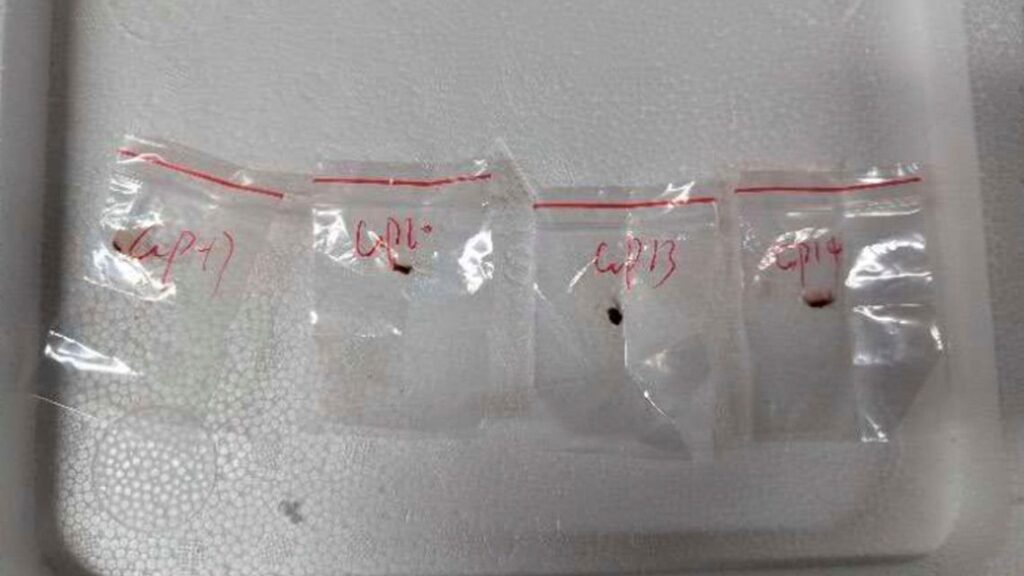
The fungus, known as head blight, affects grains used to make bread, cereal and livestock feed, officials say.
TEXAS, USA — Texas officials issued a warning Wednesday about an invasive crop fungus affecting wheat, barley, and oat crops used to make bread, cereal, and more, citing national security concerns.
The fungus, known as head blight or head scabis a disease of barley, oat, wheat, and other small grains used to make bread, cereal and livestock feed, that’s caused by the fungus Fusarium graminearum, according to Texas A&M AgriLife Extension.
It produces mycotoxins such as deoxynivalenol (DON), known as vomitoxin, that can cause health issues like nausea, vomiting and immune system problems in humans that come into contact with contaminated grains, and lead to economic losses for farmers, officials say.
“There is no need for producers or the public to overreact as we have full containment of the fungus,” Texas Agriculture Commissioner Sid Miller said. “As producers, we must stay on top of any threat to the agricultural industry. Fusarium graminearum is a potent plant pathogen that attacks corn, wheat, barley, and other essential crops for American agriculture. The concern goes beyond reduced yields; we could face toxins in bread, cereal, and livestock feed, which could disrupt our food supply. That means we must remain vigilant, stay informed, and stay ahead of risks.”
Some signs of head blight include:
- Bleached or prematurely whitened spikelets, especially in small grains like wheat and barley.
- Pink or salmon-colored fungal growth is often visible at the base of infected kernels.
- Shriveled, lightweight, or chalky grains known as “tombstone” kernels.
- Dark brown discoloration on the rachis (stem of the head) may lead to spikelet sterility above the infection point.
- Mycotoxins, especially deoxynivalenol (DON), affect grain safety and marketability.
Miller said in a statement that three Chinese citizens were recently charged with smuggling the fungus into the U.S.
Anyone who suspects infected crops is asked to contact the Texas Department of Agriculture at 1(800) TELL-TDA.