
Today’s headlines include research on AI-powered heart imaging, a new clue in the fight against drug-resistant cancer and a timely water safety reminder.
CLEVELAND —
AI could transform how doctors read heart scans
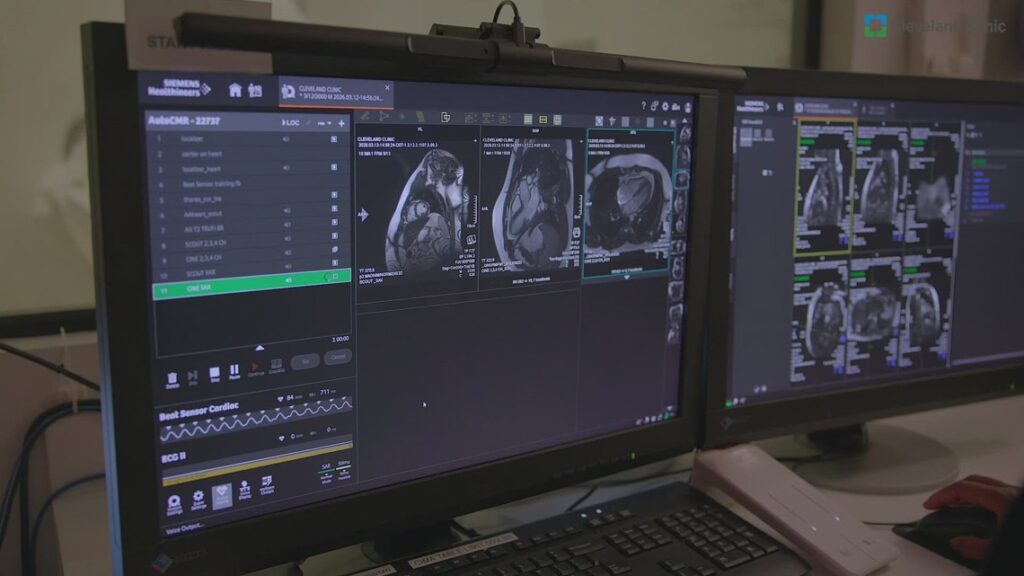
Reading a cardiac MRI is no small task — it can take a specialist more than 40 minutes to interpret a single scan. Researchers at Carnegie Mellon University and the Cleveland Clinic have developed an AI system that could change that.
The tool learns by connecting heart MRI images with doctors’ written reports, requiring no manual data labeling, which is a significant departure from how most AI medical tools are trained. In testing, it hit accuracy rates as high as 99 percent for certain heart conditions and outperformed general-purpose AI models by more than 35 percent.
Researchers say the potential goes beyond speed. The technology could expand access to cardiac imaging interpretation in areas where heart imaging specialists are scarce — a meaningful development for rural and underserved communities.
Researchers find new path to fight drug-resistant tumors
One of the most stubborn problems in cancer care is drug resistance — when tumors that initially respond to treatment stop responding altogether. A new University Hospitals Harrington Discovery Institute study published in the journal Science Signaling may offer a fresh approach.
Researchers identified specific cellular components that help drive tumor growth in lung, breast, and colorectal cancers. More importantly, they believe targeting those components could help overcome resistance to existing cancer drugs — potentially making treatments that have stopped working work again.
The findings are early-stage but represent a meaningful step toward addressing a challenge that affects cancer patients across multiple disease types.
Memorial Day weekend: Keep eyes on the water
Memorial Day weekend marks the unofficial start of pool season — and with that comes an important reminder about drowning prevention. Cleveland Clinic says drowning can happen in seconds and cause brain injury within minutes, making vigilance around water critical for families.
The most important step: designate a water watcher — a responsible adult whose only job is to watch the kids. That means no phone, no alcohol, eyes on the water at all times.
For families with home pools, the basics matter. Fencing with a self-latching gate and pool alarms add a layer of protection. After every swim, remove toys from the water — toys left in the pool can tempt young children to get back in alone.
Swim lessons and CPR training round out a solid safety plan. Neither takes long to arrange, and both can make all the difference.