
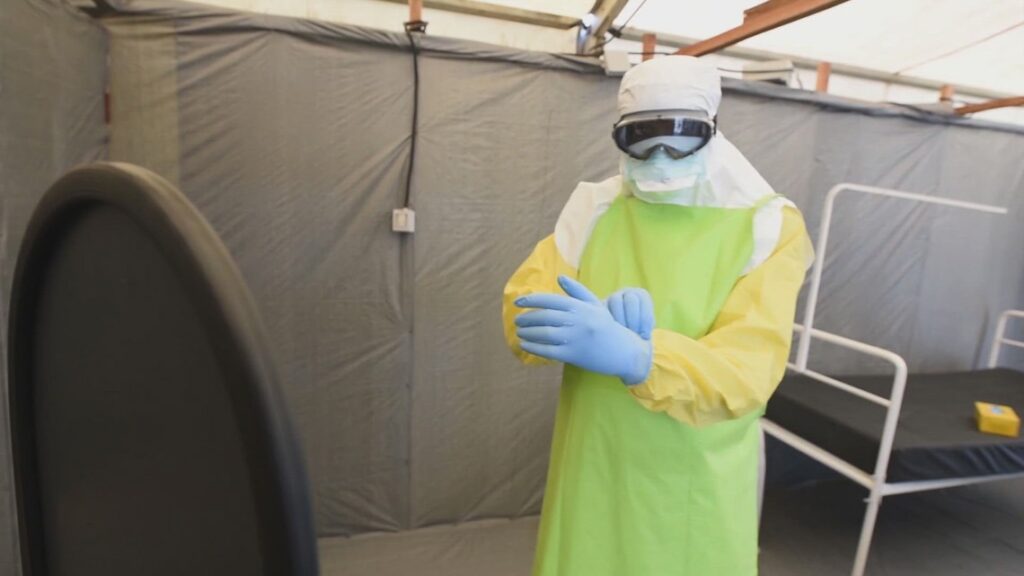
Fast-moving Ebola outbreak declared a global emergency, new data on vaping risks and the ideal bedroom temperature for better sleep.
CLEVELAND —
Ebola outbreak declared a global emergency
The World Health Organization declared the Ebola epidemic in Central Africa a public health emergency of international concern, as case numbers continue to rise. As of today, 336 suspected cases, 10 confirmed cases and 88 deaths are on record across the Democratic Republic of Congo and Uganda.
The Bundibugyo strain is driving the outbreak — and that distinction matters. There is currently no approved vaccine or treatment specific to this virus, making containment significantly more difficult.
Health officials say high population mobility, insecurity in the region and the role of funeral practices in spreading the virus are all fueling the outbreak’s reach. A confirmed case in Goma — a major transit hub — has deepened concerns about wider spread.
The CDC has already deployed resources in the region to support surveillance, contact tracing, and laboratory testing. The WHO has also airlifted about seven metric tons of emergency medical supplies, including protective equipment, tents and beds, to the Ituri capital of Bunia.
For context, the last major Ebola outbreak in 2014 was the deadliest in history — killing more than 11,000 people worldwide. Four cases reached the United States during that outbreak, and all of those patients survived.
Smoking down, vaping up — especially among young people
There is good news and a significant catch when it comes to tobacco use in America. Smoking rates have dropped to a record low — but vaping continues to climb, and the CDC says the shift is most visible among young people, who are increasingly reaching for a vape instead of a cigarette.
Many people assume vaping is a safer alternative. Experts at the Cleveland Clinic say that’s a misconception. While some harmful substances found in cigarettes may be present at lower levels in vaping products, vaping is not harmless. Research links it to short and long-term damage to the lungs, heart, and brain — and some of those effects may be irreversible.
Flavored products and the absence of visible smoke make vaping feel less harmful — but experts warn it carries real risks, including a nicotine dependence that can be just as hard to break as a cigarette habit. If you’re struggling to quit, talk to your doctor or search for cessation resources online.
The sleep temperature sweet spot
With May being Better Sleep Month, here’s a simple tip that can make a real difference: keep your bedroom cool.
Cleveland Clinic sleep specialists recommend a bedroom temperature of about 60 to 67 degrees Fahrenheit. The reason comes down to biology — your body’s core temperature is supposed to drop during sleep, syncing with your circadian rhythm. When your room is too warm, that process gets disrupted, and deep, restorative sleep becomes harder to reach.
As nights get warmer, try adjusting the thermostat before bed, switching to lightweight bedding, and running a fan. It’s also worth skipping caffeine and sugary foods close to bedtime — both can raise body temperature and make it harder to settle in.
Don’t forget the light either. Later sunsets can interfere with sleep onset. Blackout curtains, earplugs or white noise can all help create the dark, quiet environment your body needs to wind down.
If you’ve tried all of this and still find yourself tossing and turning, it may be time to talk to your doctor about whether a sleep disorder could be playing a role.