
Montgomery County is joining an FBI pilot program this September that could change how quickly suspects are connected to cold cases.
HOUSTON — The Montgomery County Sheriff’s Office says it’s on the front edge of a major leap in DNA technology sharing plans to roll out a Rapid DNA system following a 40-year-old cold case arrest.
Officials say the system shows how quickly DNA from felony arrests could be tested and compared to national databases. There’s hope, that the FBI led pilot program helps bring more families closure.
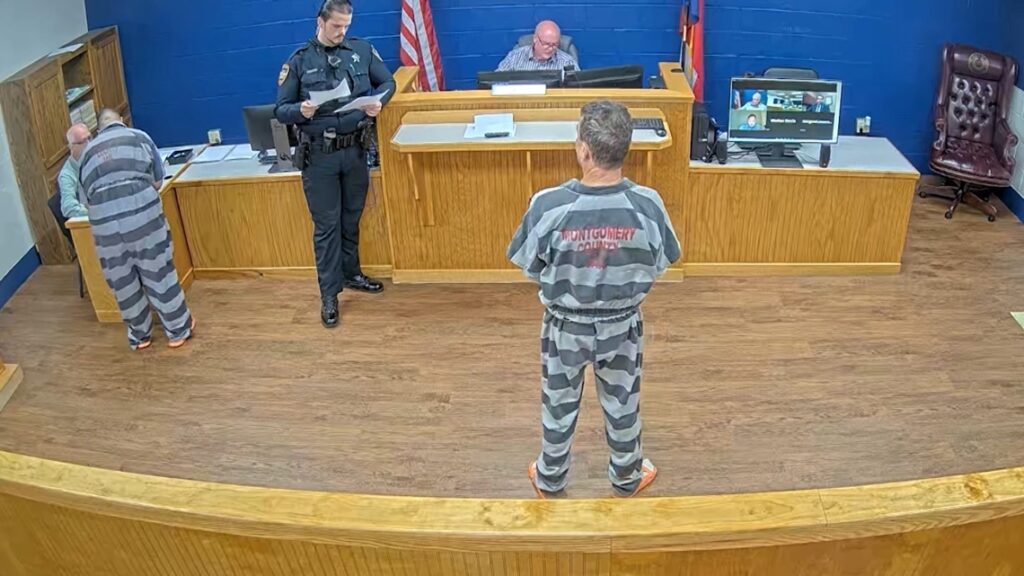
Deanna Ogg’s family has received something many cold case families never do: closure. A suspect in her 40-year-old murder has now been identified.
“I’m told the level of confidence is one in octillion,” said Montgomery County Sheriff Wesley Doolittle.
Bobby Taylor was identified through DNA testing after being first identified through genetic genealogy. But the sheriff says once Rapid DNA goes online in September, there’s a greater possibility of closing more cold case.
“When we take suspects into custody, we’ll get a DNA profile from them upon arrest, and within hours of that arrest that known profile will be compared to evidence in CODIS.”
CODIS is the FBI’s national DNA database. Officials say the Rapid DNA system coming to Montgomery and Williamson counties could generate matches in as little as 90 minutes, allowing investigators to identify and question suspects while they’re still in custody.
“So we don’t know who that DNA belongs to. A person is arrested. The sample goes in at the booking station and that agency can see there’s a CODIS match,” said Courtney Head with the Houston Forensic Science Center.
Lawmakers will review the data from the pilot program to determine whether it should expand statewide. But forensic experts say infrastructure and security must keep pace.
“This is peoples DNA. This is sensitive information so everybody wants to make sure that communication systems are secure,” said Houston Forensic Science Center president Peter Stout.
For agencies like the Texas Innocence project, DNA analysis improvements are a step in the right direction. Proving people’s innocence, resulting in exonerations.
“I’m glad now that DNA has come to the point or profiles that were originally unattributable to anyone you can now find who they are and hold those people accountable,” said Chase Baumgartner with the Texas Innocence Project.
Got a news tip or story idea? Email us at newstips@khou.com or call 713-521-4310 and include the best way to reach you.