
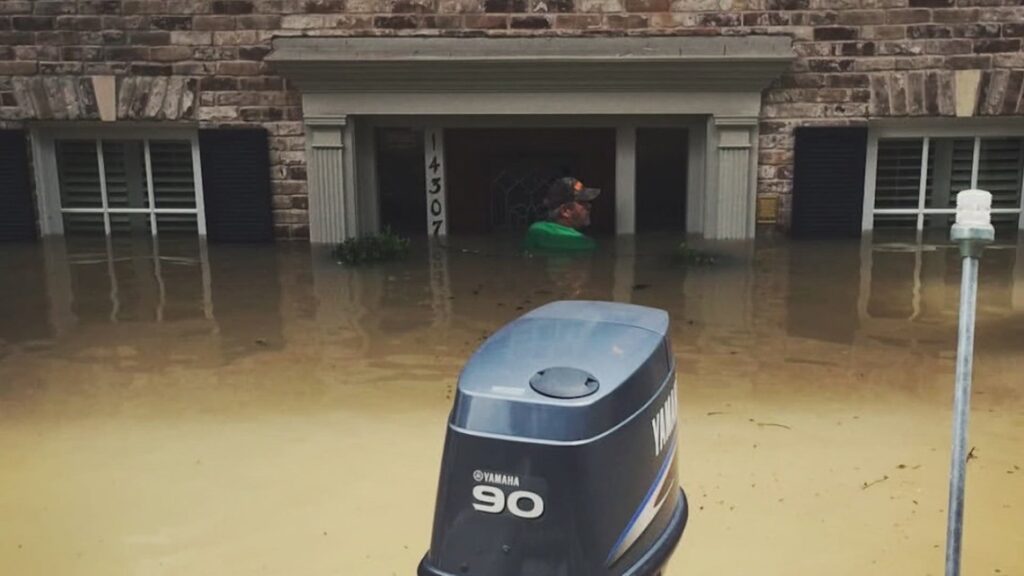
A federal judge ruled the U.S. Army Corps of Engineers intentionally flooded west Houston homes during Hurricane Harvey, bringing thousands closer to compensation.
HOUSTON — Nearly nine years after Hurricane Harvey inundated neighborhoods across west Houston, thousands of homeowners downstream of the Addicks and Barker reservoirs are closer to compensation after a federal judge ruled the U.S. government intentionally flooded their properties during the storm.
In a major decision issued in April, U.S. Court of Federal Claims Judge Loren Smith found the U.S. Army Corps of Engineers knowingly released water from the Addicks and Barker dams into Buffalo Bayou during Harvey, causing catastrophic flooding in downstream communities including Nottingham Forest, Memorial, and other west Houston neighborhoods. The ruling also rejected the government’s longstanding argument that the dams were in imminent danger of failing during the storm.
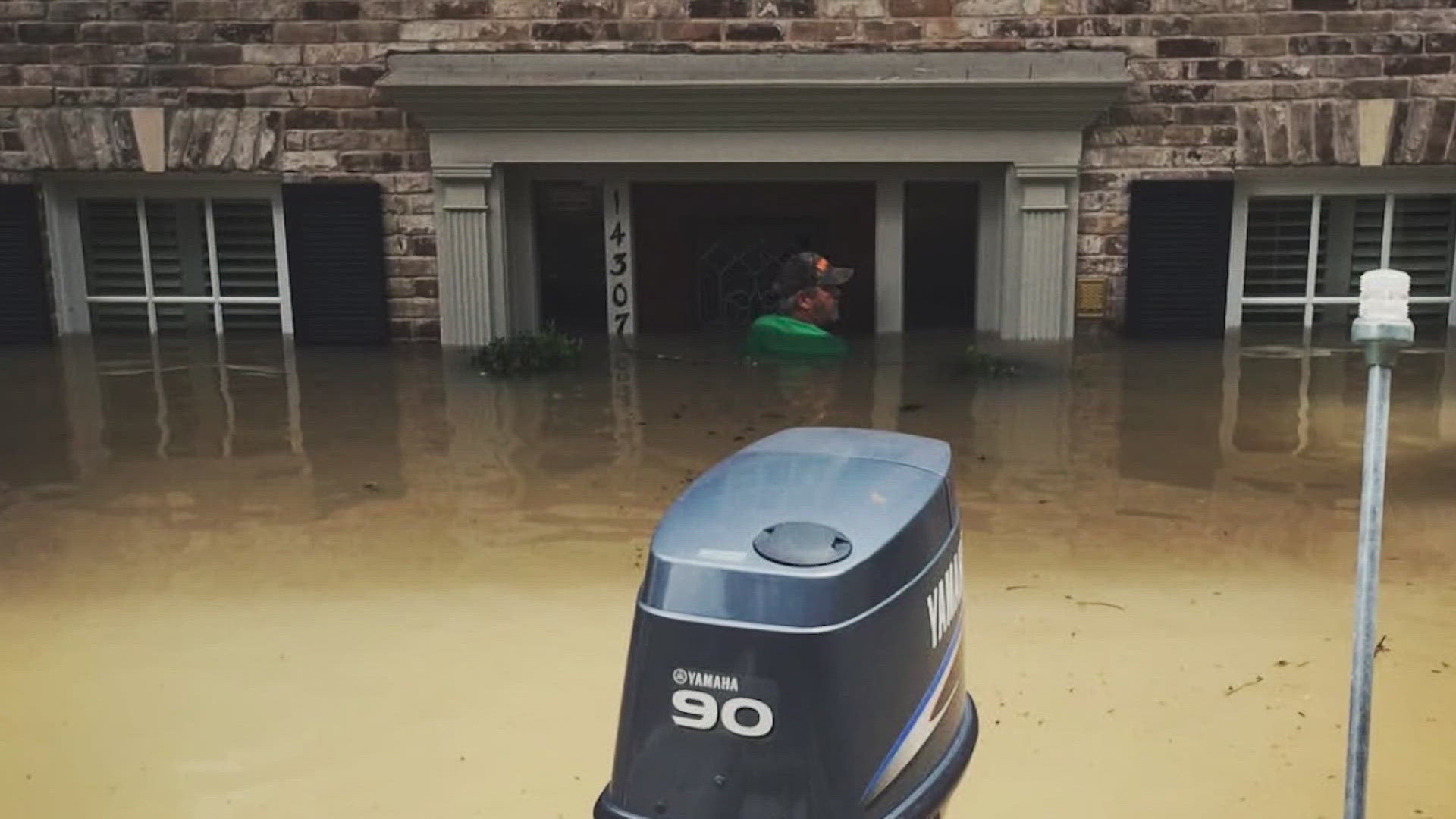

The decision marks another significant development in years of litigation stemming from Harvey, which dumped historic rainfall across southeast Texas in August 2017. While previous court rulings focused on homes flooded upstream of the reservoirs, this case centered on homeowners downstream who say they were never warned their neighborhoods could be deliberately flooded as part of the Corps’ emergency operations plan.
For Shirley Asel, the ruling comes after years of waiting.
Asel, now 90, has lived on Heatherfield Road in Nottingham Forest for more than five decades. On the night Harvey struck, she believed the worst had passed after water initially receded from her backyard.
“It got up to the deck, then receded, so I felt comfortable,” Asel recalled. “It’s over. But it wasn’t.”
Hours later, water surged back into the neighborhood after the Corps opened floodgates at the reservoirs. Asel was asleep when floodwaters entered her home.
Neighbors rushed through rising water, carrying pets and belongings as Buffalo Bayou spilled into streets and homes throughout west Houston.
Sally Smith, another resident, said she woke to water pouring inside.
“I was packed in a minute, grabbed the dog,” Smith said. “It was at least up to my waist.”
During Harvey, federal officials maintained the releases were necessary to prevent a catastrophic failure of the dams that could have threatened thousands of lives downstream.
But testimony during the trial showed the dams remained structurally stable throughout the storm, according to the judge’s ruling. Court records state the Addicks Reservoir never exceeded its designed spillway threshold, and risk assessments showed the chance of failure remained extremely low.
“The Corps followed the instructions, and the instructions created this massive disaster,” said Houston attorney Richard Mithoff, who represents more than 1,000 downstream homeowners in the lawsuit.
According to evidence presented at trial, the Corps operated under a water-control manual directing engineers to begin releases once reservoir levels reached specific elevations. Plaintiffs argued the agency had extensive flood modeling showing exactly which downstream homes would be inundated if releases occurred.
Mithoff said residents were never warned.
“They knew exactly which houses were going to flood,” he said. “What probably upsets me the most is that they had that information and they didn’t share it with anybody.”
Doug and Maureen Dougherty were among the families forced to flee chest-deep water in the middle of the night.
“If we’d had any warning, we could’ve evacuated safely,” Doug Dougherty said.
The couple eventually escaped the neighborhood by airboat. Their home sat under more than four feet of water for weeks and was ultimately destroyed.
Many downstream residents did not carry flood insurance because their homes had never flooded before Harvey and were not located inside designated flood plains.
The court ruling found the flooding was both foreseeable and intentional, rejecting the government’s defense that Harvey created an unavoidable emergency. The judge concluded the Corps could not invoke the legal “necessity doctrine” because the dams were not facing imminent failure when releases began.
The next phase of the case will determine how much compensation homeowners may receive. Any damages award is expected to face appeals, potentially extending litigation that has already lasted nearly a decade.
“It’s a real shame that a number of people unfortunately won’t live long enough to see the result,” Mithoff said.
For Asel, whose home was rebuilt after Harvey, leaving the neighborhood was never an option despite advice from family and friends.
“A lot of people advised me to move,” she said. “But I didn’t do it. Because this is my home.”
Got a news tip or story idea? Email us at newstips@khou.com or call 713-521-4310 and include your name and the best way to reach you.