
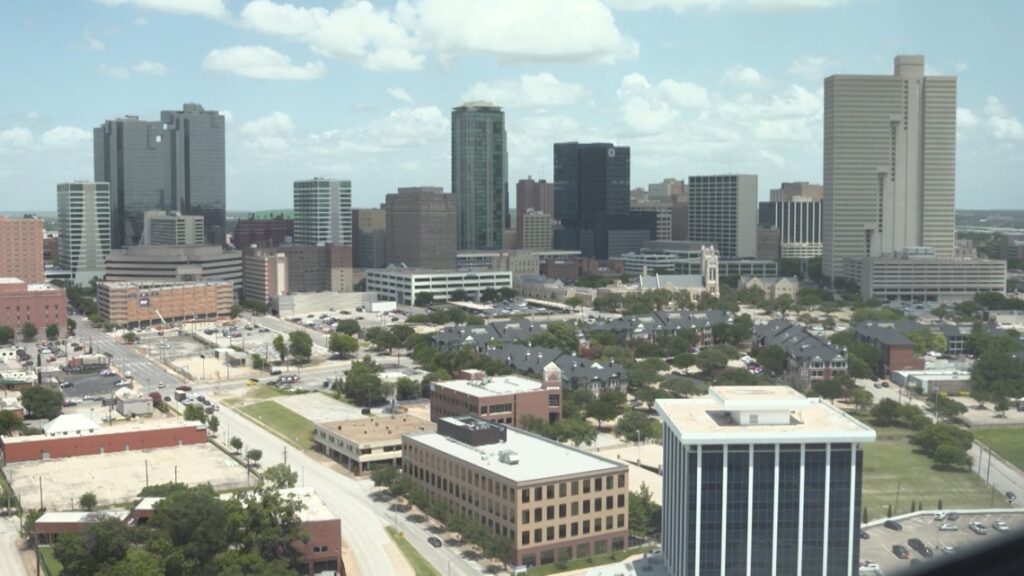
The city of Fort Worth is starting its budget planning process with a $49.3 million gap it’ll have to close before the new budget is approved this fall.
FORT WORTH, Texas — Fort Worth City Council and staff are facing a $49.3 million gap in the city’s 2027 budget as property and sales tax income lag behind previous years.
In a budget worksession held on May 5, Fort Worth staff presented an initial overview of the budget as it stands now, which includes a $49.3 million budget shortfall. Both increased expenses and lagging revenue are to blame for the gap, city leaders said. Council and staff have several more months to balance the budget before it goes up for a vote, but council members warned some cuts will be painful.
“We’re going to have really difficult conversations as we go forward, especially about public safety,” Charlie Lauersdorf, who represents District 4, said.
The city has faced falling revenue as property values have stopped growing at historic rates, and the Tarrant County Appraisal District has made significant changes to its appraisal process.
The shortfall is also thanks in part to growing expenses that are not easily shed from the budget, including an increase for the city’s vehicle and equipment fund, costs of operating facilities funded by the 2022 bond, pay increases for city employees, and increases related to the city’s newly adopted EMS service.
Last year, the city initially faced a budget shortfall of $11 million, which they closed by the time the budget passed with a property tax rate reduction for taxpayers. City leadership accomplished that task in part by asking city departments to submit their budgets with a 1% reduction in expenditures.
This year, city leaders have asked departments to make 1% cuts again and submit a budget with a 3% reduction in expenditures. With a 1% reduction, the city would save about $7.8 million; with a 3% reduction, it would save about $14 million. The salaries of sworn officers are excluded from the cuts.
With those millions in cuts, the city is still left with a $27.4 million gap. City leaders say this presents a challenge, particularly because public safety, made up of police and fire, takes up more than 100% of the city’s annual operating budget.
“Those growth of expenses are basic city services,” Mayor Mattie Parker said. “If we are in need of revenue, it’s because we need to make sure we provide police officers, firefighters, parks, litter abatement, homelessness services, all those things.”
Part of the budget squeeze is due to the state of the economy and tax rates set by the state, City Manager Jay Chapa said. The city could previously depend on more than 4% growth in property and sales tax revenue, Chapa added. With the state of the economy, that growth is no longer guaranteed.