
Note: The video attached to this story originally aired August 1.
AUSTIN (KXAN) — The average American child spends a tremendous amount of time on screens each day, according to the Centers for Disease Control and Prevention (CDC).
Here are the daily average hours of screen time varied by age group:
- 8-10 years old: 6 hours
- 11-14 years old: 9 hours
- 15-18 years old: 7.5 hours
In this day and age, screens are everywhere we look, and experts say the excessive time young children spend on screens could be harming them in ways we aren’t aware of. Effects can include increased anxiety, depression or slower learning rates.
“We are in an era of unprecedented screen time usage with all kids,” Dr. Roseanne Hodge, a child mental health expert, said. “Kids’ brains and eyes are actually not really designed to be on screens as much as they are.”
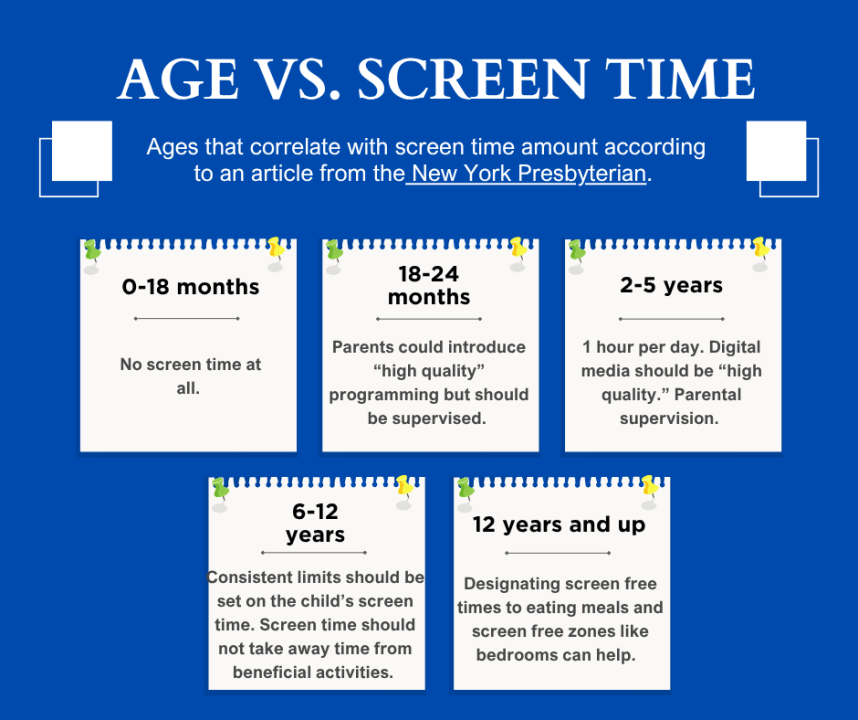
The CDC said children younger than two years old should not “utilize media viewing (TV, video, and DVD) and computers.” Children two years and older should be limited to 30 minutes a week and these minutes should be for educational or physical activity only. They also advise to not use TV, video or DVD viewing during meal or snack time, mentioning that these habits can interfere with healthy eating habits and social development.
Importance of physical activity
The CDC recommends kids get at least an hour of physical activity each day. The time they spend watching shows or playing games could instead be spent outside playing sports or riding bikes with friends.
“Kids need engagement. They need communication,” Hodge said. “Particularly in the early years, we’re setting the foundation for their future mental health, and also the interactions that we have with our teenagers and young adults — that is all starting when they’re little.”
Some days it’s not always possible to get kids outside for physical activity. Intense hot summer days or busy work schedules can get in the way of spending time outdoors. Hodge explained how “sensory tools” can help stimulate your child’s brain instead. Activities like “eating different crunchy or hard-to-chew foods like fruit leather or jerky, nuts, things like that” can be stimulating for younger children developing fundamental skills.
Independent play is another great way to allow a child’s brain to develop, and it can also provide the parent some time to work on other things.
“You don’t have to be parallel playing right next to them every second. Young kids should work towards playing 10-15 minutes by themselves. Some kids are different though,” Hodge said. Being in the same room and talking to the child from afar as they’re playing is a great way to interact and teach them those social skills.
Screen time late at night can affect how children sleep. The blue light emitted from the screen which the child is watching from can suppress melatonin, the hormone that helps sleep regulation. It is recommended to not watch screens 1-2 hours before bed. In an article published by Sutter Health, they advise reading or taking a warm bath before going to bed to help relax the body for better sleep.
Social media: Good or bad?
According to Brown University Health, social media can have both positive and negative effects on children. Platforms allow them to stay connected with friends and family worldwide and also gives them quick access to information and research.
Negative side effects can include things like social anxiety, cyberbullying, screen addiction, self imaging issues or less socialization. Kids nowadays would rather text someone a question rather than taking the time to talk face-to-face. Being able to hide behind the screen can make it easier for people to be mean to each other or even lessen their social skills.
Social media can be a dangerous place for kids at any age. Brown University published an article with tips to help make their experiences online safer and healthier: implementing boundaries like parental controls or time limits can help limit their time spent scrolling, keeping electronics outside of bedrooms overnight so kids aren’t up late binging or playing games and being aware of what content a child is viewing, searching or interacting with.
Beneficial shows for younger children
Hodge made clear that “not all screen time is bad” for children. Shows like Blippi or Ms. Rachel can be educational. Shows that are interactive can be beneficial.
Even though some shows can be good, it can be hard to remember that television isn’t a babysitter. Kids shouldn’t be left sitting in front of the TV for hours on end. Parents should try to sit with their kids while watching the shows so they can discuss the shows together. Once the show is turned off, asking questions about what they may have learned or seen can also be a great way to interact and engage with your child.
Rules and boundaries are encouraged to be set beforehand, such as explaining to your child that they have 30 minutes and, ‘Here is the timer.’ Being consistent with your limits or setting a consistent schedule is the best thing for your child, Hodge said. It may feel like the same daily routine could become boring, but children actually enjoy it.
“It is never too late to start. It is just harder once they are so used to the screens,” Hodge said.
She gave tips such as writing down a schedule on a white board or verbally expressing transitions, like, “You have 10 minutes left and then we are doing [a different activity].” Giving an alternative is a great way to get your child off the screen and excited about something else.
“You don’t need to be perfect, but you need to be pretty consistent, because you’re dealing with a brain that’s getting this just constant dopamine hit. Your child isn’t going to be rational, so consistency will serve you as a parent,” Hodge said.
How some states are working to lessen screen time at school
Phones have become a large distraction in schools and teachers have had a hard time keeping the students engaged. In hopes of creating a more engaging environment, some states have pushed for phone bans in public schools.
Texas Gov. Greg Abbott recently signed a bill into law that will ban K-12 students from using cell phones and other personal communications devices during the school day. House Bill 1481 takes effect in the 2025-26 school year.
Liberty Hill ISD Superintendent Travis Motal explained the ban primarily applies to smart phones, but also earbuds, smart watches or anything which could cause a distraction. LHISD sent out a notification to parents and students saying that they have two options: to either leave the devices at home, or the devices must be powered off and safely stored in the students’ backpack during the school day.
“We want the kids to focus on their learning, focus on the teacher and not let that phone be a distraction during the day,” Motal said.
The new law applies to public school and open-enrollment charter schools. According to Motal, parents are expressing concern about how they will be able to get in contact with their children since they are used to doing so. Motal explained that they are working together with their staff to create ways to keep everyone informed and safe throughout the school day, as well as ways to get in touch with their children.
Not all states have fully committed to the phone ban law. Some are still debating whether or not this is a good decision, or if it will work. By taking away the phone at school, kids will socialize more, engage more with content, hopefully experience less bullying and get time off the screen.
Hodge reiterated several times that “not all screen time is bad” and that parents shouldn’t feel an overwhelming guilt. However, there are simple ways to help balance screen time with healthy activities that can also benefit a child’s development and overall livelihood.